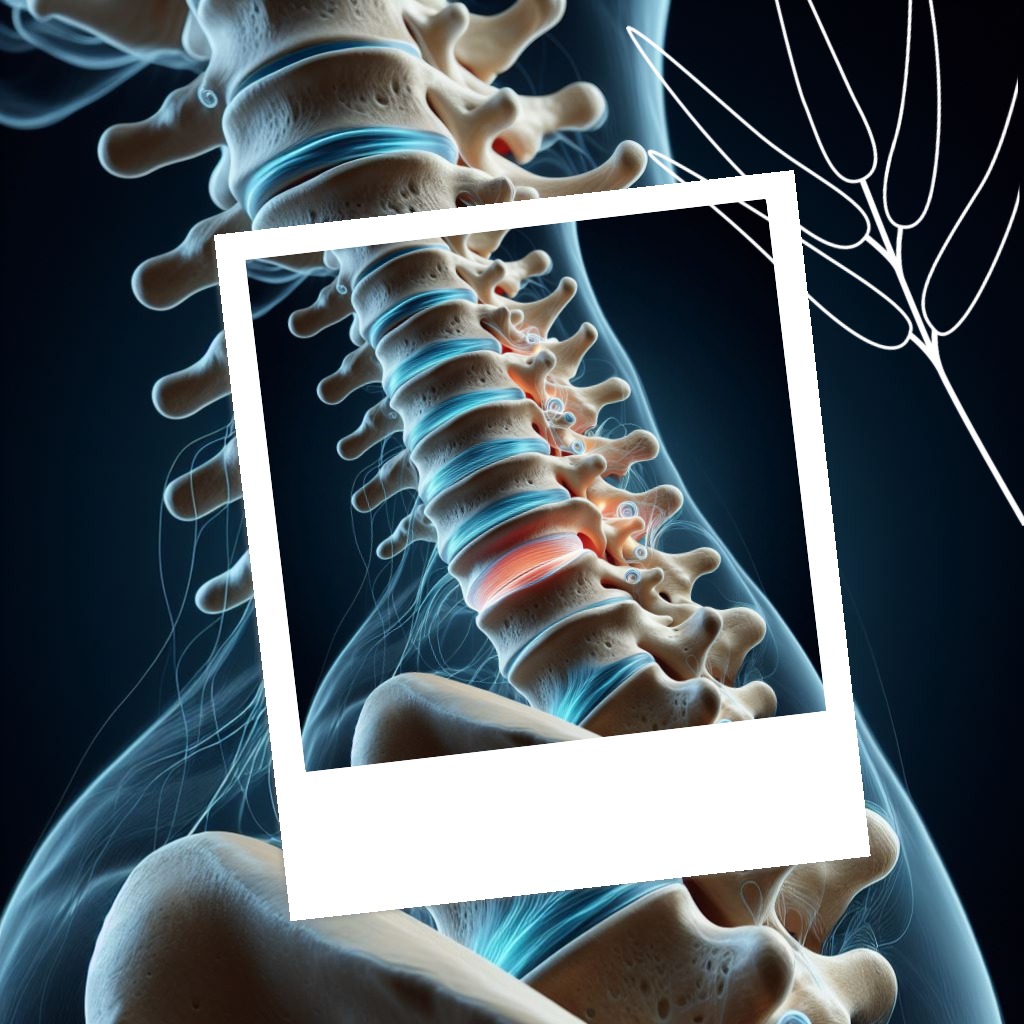
Compression fractures are small breaks or cracks in the vertebrae (the bones that make up your spinal column). The breaks happen in the vertebral body, which is the thick, rounded part on the front of each vertebra. Fractures in the bone cause the spine to weaken causing the vertebrae to become thinner and collapse. Over time, these fractures affect posture.
Image created with Bing Image Creator
Spinal compression fractures are common injuries characterized by the collapse or compression of vertebral bodies, leading to significant morbidity and decreased quality of life. This paper provides an in-depth exploration of the pathophysiology, signs and symptoms, and various treatment approaches for spinal compression fractures. Understanding these aspects is crucial for healthcare professionals in order to develop effective strategies for prevention, diagnosis, and management
Spinal compression fractures involve the structural compromise of vertebral bodies, typically resulting from trauma, osteoporosis, or other pathological conditions. Spinal compression fractures occur most commonly is older women who are postmenopause. Some have estimated that 1 in 4 women over 50 years of age will have at least one compression fracture. This paper aims to elucidate the pathophysiology, signs and symptoms, and treatment approaches associated with spinal compression fractures.
Pathophysiology
Traumatic Compression Fractures: Trauma-induced fractures often result from high-energy incidents, such as falls, motor vehicle accidents, or sports injuries. The force exerted on the spine can cause vertebral compression, leading to fractures. The severity of trauma dictates the extent of damage to the vertebral body and surrounding structures.
Osteoporotic Compression Fractures: Osteoporosis, a condition characterized by reduced bone density and quality, is a common cause of spinal compression fractures, particularly in the elderly population. Weakened bones become susceptible to fractures during routine activities or even minimal trauma, causing compression of the vertebral bodies.
Pathological Compression Fractures: Pathological conditions, such as tumors or infections, can weaken the vertebral column, leading to compression fractures. Tumor invasion or infection-induced damage compromises the structural integrity of the spine, resulting in fractures.
Signs and Symptoms
Acute Pain: Patients often experience sudden, severe back pain at the site of the fracture. Pain intensity may vary based on the extent of vertebral compression and the underlying cause. Pain generally is better when a person lies down and is worse when you stand or walk.
Loss of Height: Compression fractures can lead to a reduction in height due to the collapse of vertebral bodies. Progressive height loss may be indicative of multiple or recurrent fractures. Patients may also have a more hunched over appearance or have a hunch (curved upper back).
Kyphotic Deformity: Chronic compression fractures may cause a forward curvature of the spine, known as kyphosis. This deformity can contribute to postural changes and decreased mobility.
Neurological Symptoms: Severe fractures may compress nerve roots or the spinal cord, resulting in neurological deficits. Patients may experience numbness, tingling, or weakness in the extremities. These neurological symptoms cause difficulty walking or difficulty controlling the bladder or bowels.
Decreased flexibility in the spine: The fractures cause difficulty in twisting and bending, making it difficult to do such actions.
Treatment Approaches
Conservative Management: Initial management often involves pain control, bed rest, and back braces. Physical therapy may be recommended to improve mobility and strengthen supporting muscles.
Medications: Pharmacological interventions, such as analgesics, anti-inflammatory drugs, and medications to treat osteoporosis, may be prescribed to manage pain and address underlying causes. Drugs called bisphosphonates can slow further bone loss, stabilize the bones and prevent fractures. These drugs include ibandronic acid (Boniva®) and alendronic acid (Fosamax®).
Minimally Invasive Procedures: Procedures like vertebroplasty and kyphoplasty involve the injection of bone cement into the fractured vertebra, stabilizing the spine and alleviating pain.
Surgical Intervention: Minimally invasive procedures to relieve pain, stabilize the bones and improve mobility may be done. There are two types of procedures done today vertebroplasty or kyphoplasty. During vertebroplasty, your provider inserts a needle in the vertebra and injects bone cement. During kyphoplasty, they insert an inflatable device that they fill with cement. A vertebroplasty or kyphoplasty is an outpatient procedure, so you’ll go home the same day.
Conclusion
Spinal compression fractures represent a significant healthcare challenge, necessitating a comprehensive understanding of their pathophysiology, signs and symptoms, and treatment options. Early diagnosis and appropriate management are essential for optimizing patient outcomes and improving overall quality of life. Ongoing research in this field aims to further refine treatment approaches and enhance our understanding of the underlying mechanisms driving spinal compression fractures.
References
Charipova K, Kaye AD, Gress K. Vertebral Compression Fractures. In: Viswanath O, Urits I. Eds. Cambridge Handbook of Pain Medicine. Cambridge: Cambridge University Press; 2023:107-118. doi:10.1017/9781108979849.017
Donnally CJ, DiPompeo CM, Varacallo M. Vertebral Compression Fractures. [Updated 2023 Aug 4]. In: StatPearls [Internet]. Treasure Island (FL): StatPearls Publishing; 2023 Jan-. Available from: https://www.ncbi.nlm.nih.gov/books/NBK448171/
Gutierrez-Gonzalez, R., Royuela, A. & Zamarron, A. Vertebral compression fractures: pain relief, progression and new fracture rate comparing vertebral augmentation with brace. BMC Musculoskelet Disord 24, 898 (2023). https://doi.org/10.1186/s12891-023-07041-1
DISCLAIMER
The Site may contain (or you may be sent through the Site) links to other websites or content belonging to or originating from third parties or links to websites and features in banners or other advertising. Such external links are not investigated, monitored, or checked for accuracy, adequacy, validity, reliability, availability, or completeness by us. WE DO NOT WARRANT, ENDORSE, GUARANTEE, OR ASSUME RESPONSIBILITY FOR THE ACCURACY OR RELIABILITY OF ANY INFORMATION OFFERED BY THIRD-PARTY WEBSITES LINKED THROUGH THE SITE OR ANY WEBSITE OR FEATURE LINKED IN ANY BANNER OR OTHER ADVERTISING. WE WILL NOT BE A PARTY TO OR IN ANY WAY BE RESPONSIBLE FOR MONITORING ANY TRANSACTION BETWEEN YOU AND THIRD-PARTY PROVIDERS OF PRODUCTS OR SERVICES.
PROFESSIONAL DISCLAIMER
The Site cannot and does not contain medical/health advice. The medical/health information is provided for general informational and educational purposes only and is not a substitute for professional advice. Accordingly, before taking any actions based upon such information, we encourage you to consult with the appropriate professionals. We do not provide any kind of medical/health advice. THE USE OR RELIANCE OF ANY INFORMATION CONTAINED ON THE SITE IS SOLELY AT YOUR OWN RISK.
AFFILIATES DISCLAIMER
The Site may contain links to affiliate websites, and we receive an affiliate commission for any purchases made by you on the affiliate website using such links.
We are a participant in the Amazon Services LLC Associates Program, an affiliate advertising program designed to provide a means for us to earn advertising fees by linking to Amazon.com and affiliated websites.
This disclaimer was created using Termly’s Disclaimer Generator.
 Nursing Notes