Artificial Intelligence (AI) is revolutionizing communication for individuals who are hard of hearing, offering innovative solutions to bridge the gap between spoken language and accessibility. As hearing loss affects millions of people worldwide, AI-powered technologies are emerging as powerful tools to enhance auditory experiences, break down communication barriers, and foster inclusivity. These advancements are not only improving the quality of life for those with hearing impairments but also transforming the landscape of assistive technologies.
One of the most significant applications of AI in this field is the development of smart hearing aids. Unlike traditional hearing aids, AI-enabled devices can distinguish between speech and background noise, allowing users to focus on the person they’re conversing with, even in noisy environments. These intelligent devices can automatically adjust settings based on the user’s preferences and the acoustic environment, providing a personalized listening experience. AI algorithms in hearing aids can learn from the user’s experiences over time, continuously improving sound clarity and comfort.
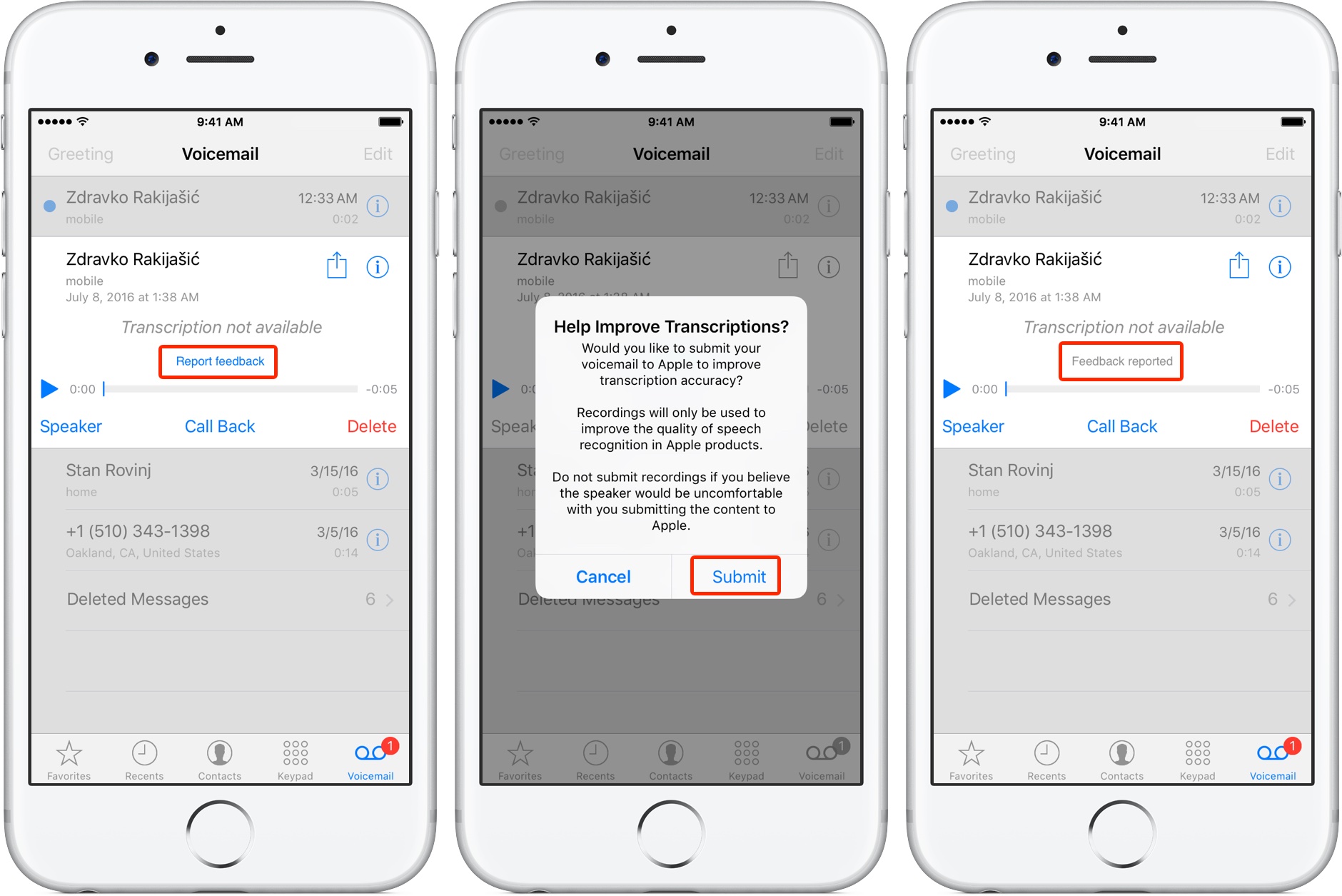
Real-time captioning is another area where AI is making substantial strides. Advanced speech recognition algorithms can convert spoken words into text almost instantaneously, providing subtitles for live conversations, lectures, or media content. This technology is particularly beneficial in educational and professional settings, allowing individuals with hearing loss to participate fully in discussions and presentations. AI-powered captioning has had a positive impact on cognitive function and social engagement among elderly adults with hearing impairments. AI is also enhancing the capabilities of cochlear implants, devices that provide a sense of sound to individuals with severe to profound hearing loss. By incorporating machine learning algorithms, these implants can process complex sound environments more efficiently, improving the user’s ability to understand speech and appreciate music. AI-enhanced cochlear implants could significantly improve speech recognition in challenging acoustic conditions.
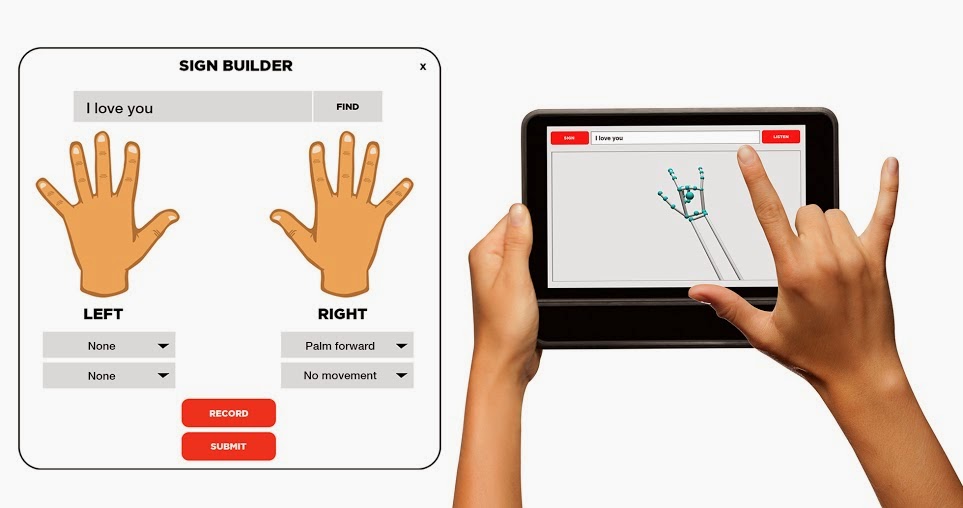
Sign language translation is another frontier where AI is making remarkable progress. Computer vision and natural language processing technologies are being combined to create applications that can interpret sign language in real-time, converting it into spoken words or text. Conversely, these systems can also translate spoken language into sign language, often using animated avatars. This bidirectional translation capability opens up new avenues for communication between deaf and hearing individuals.
The integration of AI into communication devices is not limited to audio processing. Visual AI technologies are being developed to assist individuals who rely on lip-reading. Advanced algorithms can now analyze facial movements and generate accurate captions, outperforming human lip-readers in some cases. This technology holds promise for enhancing communication in situations where traditional hearing aids may be less effective, such as in noisy environments or when the speaker is wearing a mask.AI-powered sound recognition systems are also emerging as valuable tools for individuals with hearing loss. These systems can identify and classify various environmental sounds, alerting users to important auditory cues they might otherwise miss. From doorbells and alarms to baby cries and traffic noises, these technologies enhance safety and awareness for individuals with hearing impairments. The potential applications of such systems in home automation and personal safety devices are vast and continue to expand.
While the benefits of AI in assisting hard of hearing individuals are clear, it’s important to acknowledge the challenges and ethical considerations associated with these technologies. Privacy concerns, data security, and the potential for over-reliance on technology are issues that need to be carefully addressed. Additionally, ensuring equitable access to these advanced technologies across different socioeconomic groups remains a significant challenge. Looking to the future, ongoing research is focused on improving the accuracy, personalization, and usability of AI-powered communication tools for the hard of hearing. Efforts are being made to develop more sophisticated algorithms that can better understand context, emotion, and nuanced speech patterns. There is also a push towards making these technologies more affordable and accessible to a wider population.
In conclusion, AI is transforming the landscape of communication for individuals who are hard of hearing, offering unprecedented opportunities for improved auditory experiences and social interaction. From smart hearing aids and real-time captioning to sign language translation and sound recognition systems, AI-powered technologies are breaking down barriers and fostering inclusivity. As research continues and technologies advance, the potential for AI to further enhance the lives of those with hearing impairments is immense. However, it is crucial to approach these developments with careful consideration of ethical implications and accessibility concerns to ensure that the benefits of AI can be equitably shared across all segments of society.
References:
- Frisby, C., Eikelboom, R. H., Mahomed-Asmail, F., Kuper, H., de Kock, T., Manchaiah, V., & Swanepoel, D. W. (2022). Community-based adult hearing care provided by community healthcare workers using mHealth technologies. Global Health Action, 15(1), 1–14. https://doi.org/10.1080/16549716.2022.2095784
- Grote, H., Izagaren, F., & O’Brien, V. (2021). How to communicate with patients who are D/deaf or have hearing loss. BMJ: British Medical Journal, 373(8296), n1382-6. https://doi.org/10.1136/bmj.n1382
- N, S., Hegde, R., S, R., Kumar, S., & A, Y. (2023). An IOT Based Multifunctional Hearing and Medical Assistive System for Elderly. 2023 7th International Conference on Design Innovation for 3 Cs Compute Communicate Control (ICDI3C), Design Innovation for 3 Cs Compute Communicate Control (ICDI3C), 2023 7th International Conference on, ICDI3C, 185–190. https://doi.org/10.1109/ICDI3C61568.2023.00046
- PR Newswire. (2024, July 10). Nagish Raises $16 Million to Revolutionize Communication for Individuals with Hearing Loss Through AI. PR Newswire US.
- PR Newswire. (2024, July 1). Voiceitt validates next-generation Voice AI in an innovative pilot for Deaf Individuals. PR Newswire US.
- Saunders, G. H., & Oliver, F. (2022). Impact of Hearing Loss on Communication During Remote Health Care Encounters. Telemedicine & E-Health, 28(9), 1350–1358. https://doi.org/10.1089/tmj.2021.0490



 Nursing Notes