Nursing school can indeed be very challenging. It requires a lot of dedication, hard work, and perseverance. Here are some common reasons why nursing school is often considered difficult:
Heavy Workload: Nursing programs typically have a rigorous curriculum with a lot of material to cover. This includes a mix of classroom lectures, clinical rotations, and hands-on skill development. You might have taken 12-14 credit hours in your prenursing courses, but now you have 18 credit hours and lab or clinical on top of it.
Complex Subjects: Nursing students must grasp complex medical concepts, anatomy, pharmacology, and patient care procedures. These subjects often require deep understanding and critical thinking.
Clinical Experience: Clinical rotations, where students work in healthcare settings under supervision, can be both physically and emotionally demanding. You’ll encounter real patients with various health conditions and must provide care while learning.
Time-Consuming: Nursing students often have long hours of study and clinical practice, leaving little time for other activities. Balancing school with personal life can be very challenging.
Pressure and Stress: Nursing students are often under pressure to perform well academically and clinically. The responsibility of patient care can be stressful, and there’s a need for constant attention to detail.
Reaching out for Help: Sometimes new nursing students do not understand that they can reach out to their faculty for help. It is important that nursing students know that reaching out for help before they are in a failing situation is very helpful. In fact, most nursing faculty would prefer you reach out for help before the exam, rather than after receiving a failing grade.
Mental Health Support: Because nursing school is so very stressful, students should stay on top of their own mental health. Use your strategies for stress relief and balance your school and social activities. If needed contact your school’s student health center for additional mental health support.
Overcommitted: Many nursing students are overcommitted. Prenursing students have worked hard to get into nursing school. Many have volunteered for organizations, shadowed nurses, or may need to work through college. Students should be aware that they might also need to let some of their social activities/volunteer activities go until they are done with school.
Licensing Exams: In many countries, nursing students must pass a licensing exam (such as the NCLEX in the United States) to become a registered nurse. Preparing for and passing this exam can add to the stress.
Compassion Fatigue: Working closely with patients who are ill or in pain can take an emotional toll. Nursing programs often teach students to manage their emotions and practice self-care.
Medical conference 2D vector isolated illustration. Presentation for nurses. Professional tutor meeting with interns flat characters on cartoon background. Doctor training colourful scene
Remember that while nursing school is challenging, it’s also highly rewarding. Nurses play a crucial role in healthcare, making a positive impact on patients’ lives. If you’re in nursing school, it’s important to reach out to professors, mentors, and support networks for help when needed. Don’t hesitate to seek assistance with studying, managing stress, or addressing any concerns you may have. Many nurses find that the hard work and dedication they put into their education pays off in the form of a fulfilling and meaningful career.
DISCLAIMER
The Site may contain (or you may be sent through the Site) links to other websites or content belonging to or originating from third parties or links to websites and features in banners or other advertising. Such external links are not investigated, monitored, or checked for accuracy, adequacy, validity, reliability, availability, or completeness by us. WE DO NOT WARRANT, ENDORSE, GUARANTEE, OR ASSUME RESPONSIBILITY FOR THE ACCURACY OR RELIABILITY OF ANY INFORMATION OFFERED BY THIRD-PARTY WEBSITES LINKED THROUGH THE SITE OR ANY WEBSITE OR FEATURE LINKED IN ANY BANNER OR OTHER ADVERTISING. WE WILL NOT BE A PARTY TO OR IN ANY WAY BE RESPONSIBLE FOR MONITORING ANY TRANSACTION BETWEEN YOU AND THIRD-PARTY PROVIDERS OF PRODUCTS OR SERVICES.
PROFESSIONAL DISCLAIMER
The Site cannot and does not contain medical/health advice. The medical/health information is provided for general informational and educational purposes only and is not a substitute for professional advice. Accordingly, before taking any actions based upon such information, we encourage you to consult with the appropriate professionals. We do not provide any kind of medical/health advice. THE USE OR RELIANCE OF ANY INFORMATION CONTAINED ON THE SITE IS SOLELY AT YOUR OWN RISK.
AFFILIATES DISCLAIMER
The Site may contain links to affiliate websites, and we receive an affiliate commission for any purchases made by you on the affiliate website using such links.
We are a participant in the Amazon Services LLC Associates Program, an affiliate advertising program designed to provide a means for us to earn advertising fees by linking to Amazon.com and affiliated websites. This disclaimer was created using Termly’s Disclaimer Generator.
Feeling overwhelmed in college is a common experience, but there are steps you can take to manage your stress and regain a sense of control. Here are some strategies to help you when you’re feeling overwhelmed:
Take a Break: Sometimes, stepping away from your work or studies for a short break can be incredibly helpful. Use this time to clear your mind, take a walk, meditate, or do something you enjoy.
Prioritize Tasks: Make a to-do list and prioritize your tasks based on deadlines and importance. Focus on completing one task at a time rather than trying to do everything at once.
Time Management: Create a schedule or use a planner to allocate specific time blocks for studying, attending classes, and other responsibilities. Stick to this schedule as much as possible.
Seek Support: Talk to a friend, family member, or counselor about how you’re feeling. Sometimes, just discussing your worries with someone can provide relief and perspective.
Use Campus Resources: Most colleges offer resources for students dealing with stress and overwhelm. These resources may include counseling services, tutoring, academic advisors, and study groups. Don’t hesitate to reach out to these services.
Break Tasks into Smaller Steps: When a task seems too daunting, break it down into smaller, manageable steps. Completing these smaller steps can give you a sense of accomplishment and make the overall task less overwhelming.
Practice Self-Care: Take care of your physical and mental health. Get enough sleep, eat well, exercise regularly, and practice relaxation techniques like deep breathing or mindfulness.
Limit Distractions: Identify the things that distract you the most while studying or working on assignments and find ways to minimize them. This may involve turning off your phone or using website blockers to reduce online distractions.
Set Realistic Goals: Be realistic about what you can accomplish in a given day or week. Overloading your schedule with too many commitments can contribute to feeling overwhelmed.
Ask for Help: If you’re struggling with coursework, don’t hesitate to ask your professors for clarification or extra help. They’re there to support your learning.
Consider Professional Help: If your feelings of being overwhelmed persist and begin to affect your well-being or academic performance, consider seeking help from a mental health professional. Many colleges have counseling services available to students.
Practice Mindfulness: Mindfulness techniques can help you stay present and reduce anxiety. Try meditation, yoga, or simply taking a few minutes each day to focus on your breathing and clear your mind.
Remember that it’s okay to ask for help and take steps to manage your overwhelm. College can be challenging, but with the right strategies and support, you can navigate through it successfully while maintaining your well-being.
DISCLAIMER
The Site may contain (or you may be sent through the Site) links to other websites or content belonging to or originating from third parties or links to websites and features in banners or other advertising. Such external links are not investigated, monitored, or checked for accuracy, adequacy, validity, reliability, availability, or completeness by us. WE DO NOT WARRANT, ENDORSE, GUARANTEE, OR ASSUME RESPONSIBILITY FOR THE ACCURACY OR RELIABILITY OF ANY INFORMATION OFFERED BY THIRD-PARTY WEBSITES LINKED THROUGH THE SITE OR ANY WEBSITE OR FEATURE LINKED IN ANY BANNER OR OTHER ADVERTISING. WE WILL NOT BE A PARTY TO OR IN ANY WAY BE RESPONSIBLE FOR MONITORING ANY TRANSACTION BETWEEN YOU AND THIRD-PARTY PROVIDERS OF PRODUCTS OR SERVICES.
PROFESSIONAL DISCLAIMER
The Site cannot and does not contain medical/health advice. The medical/health information is provided for general informational and educational purposes only and is not a substitute for professional advice. Accordingly, before taking any actions based upon such information, we encourage you to consult with the appropriate professionals. We do not provide any kind of medical/health advice. THE USE OR RELIANCE OF ANY INFORMATION CONTAINED ON THE SITE IS SOLELY AT YOUR OWN RISK.
AFFILIATES DISCLAIMER
The Site may contain links to affiliate websites, and we receive an affiliate commission for any purchases made by you on the affiliate website using such links.
We are a participant in the Amazon Services LLC Associates Program, an affiliate advertising program designed to provide a means for us to earn advertising fees by linking to Amazon.com and affiliated websites. This disclaimer was created using Termly’s Disclaimer Generator.
Medication is a cornerstone of modern healthcare, providing relief from ailments, managing chronic conditions, and saving lives. However, like any powerful tool, medications carry the potential for adverse reactions. Adverse medication reactions (ADRs) refer to harmful or unintended effects resulting from the use of medications, and they pose a significant challenge to patient safety and healthcare providers alike.
ADRs can manifest in various forms, including allergic reactions, side effects, drug interactions, and medication errors. These reactions can range from mild discomfort to severe complications, sometimes even leading to hospitalization or, in rare cases, death. According to the World Health Organization (WHO), ADRs are responsible for a significant proportion of hospital admissions and are a major cause of morbidity and mortality worldwide.
Several factors contribute to the occurrence of ADRs. One crucial aspect is the complexity of modern pharmacotherapy. With the vast array of medications available, patients often receive multiple drugs concurrently, increasing the risk of interactions and side effects. Additionally, individual variations in drug metabolism, genetic factors, and the presence of underlying medical conditions can influence a person’s susceptibility to ADRs.
Addressing the issue of ADRs requires a comprehensive and multi-dimensional approach:
Pharmacovigilance: Pharmacovigilance is the science and activities related to the detection, assessment, understanding, and prevention of ADRs. Robust pharmacovigilance systems play a vital role in collecting data on adverse events, analyzing patterns, and identifying potential risks associated with medications. Healthcare providers should actively report suspected ADRs to regulatory authorities to contribute to the overall safety monitoring process.
Enhanced Medication Safety Measures: Healthcare organizations should prioritize medication safety by implementing stringent protocols and practices. This includes proper medication labeling, packaging, and storage, as well as double-checking medication orders and doses to minimize the risk of medication errors. Technology can also play a significant role in reducing errors through the use of barcode scanning systems and electronic prescribing systems.
Improved Patient Education: Educating patients about their medications is crucial in promoting patient safety. Healthcare providers should take the time to explain the purpose, potential side effects, and appropriate administration of medications. Patients should also be encouraged to actively participate in their healthcare decisions, report any new symptoms promptly, and ask questions to clarify any doubts they may have.
Interprofessional Collaboration: A team-based approach involving healthcare providers, including physicians, nurses, pharmacists, and other allied health professionals, is essential to mitigating the risk of ADRs. Effective communication and collaboration among team members can help identify and address potential medication-related issues promptly.
Research and Development: Continued research and development efforts are necessary to enhance our understanding of medication safety. This includes studying the mechanisms of ADRs, identifying risk factors, and developing new technologies or interventions to prevent or minimize ADRs. Collaboration between academia, industry, and regulatory bodies can foster innovation in this area.
Safeguarding patient safety is a collective responsibility that requires the active involvement of healthcare providers, patients, regulatory agencies, and policymakers. By implementing robust pharmacovigilance systems, enhancing medication safety measures, educating patients, fostering interprofessional collaboration, and investing in research and development, we can strive towards reducing the occurrence and impact of adverse medication reactions.
The ultimate goal is to ensure that medications, which are meant to improve health and well-being, do not inadvertently cause harm. Through concerted efforts, we can create a safer medication landscape and provide better healthcare outcomes for all.
Kreimeyer, K., Dang, O., Spiker, J., Muñoz, M. A., Rosner, G., Ball, R., & Botsis, T. (2021). Feature engineering and machine learning for causality assessment in pharmacovigilance: lessons learned from application to the FDA Adverse Event Reporting System. Computers in Biology and Medicine, 135, 104517.
Macêdo, G. G. C., & de Oliveira-Figueirêdo, D. S. T. (2020). Factors related to the knowledge of nursing professionals about pharmacovigilance. mortality, 1(2), 6-8.
Manasa, M. R., Chandy, S. J., & Pillai, S. R. (2023). The Impact of an Educational Module on Pharmacovigilance towards Improving Knowledge and Attitude of Nursing and Pharmacy Students. Ind. J. Pharm. Edu. Res, 57(2), 598-602.
Paola, K., & Claudio, G. (2020). The value of direct patient reporting in pharmacovigilance. Therapeutic advances in drug safety, 11, 2042098620940164.
ŞAVLI, E., & ŞAVLI, E. (2019). The Importance of Pharmacovigilance and Ecopharmacovigilance in Nursing Education. Ordu Üniversitesi Hemşirelik Çalışmaları Dergisi, 2(1), 70-77.
Tiwari, A., Chitapure, F., Mishra, A., & Hindoliya, M. (2023). A study on the knowledge, attitude, and practice on adverse drug reactions and pharmacovigilance among nursing staff. National Journal of Physiology, Pharmacy and Pharmacology, 13(4), 710-713.
DISCLAIMER
The Site may contain (or you may be sent through the Site) links to other websites or content belonging to or originating from third parties or links to websites and features in banners or other advertising. Such external links are not investigated, monitored, or checked for accuracy, adequacy, validity, reliability, availability, or completeness by us. WE DO NOT WARRANT, ENDORSE, GUARANTEE, OR ASSUME RESPONSIBILITY FOR THE ACCURACY OR RELIABILITY OF ANY INFORMATION OFFERED BY THIRD-PARTY WEBSITES LINKED THROUGH THE SITE OR ANY WEBSITE OR FEATURE LINKED IN ANY BANNER OR OTHER ADVERTISING. WE WILL NOT BE A PARTY TO OR IN ANY WAY BE RESPONSIBLE FOR MONITORING ANY TRANSACTION BETWEEN YOU AND THIRD-PARTY PROVIDERS OF PRODUCTS OR SERVICES.
PROFESSIONAL DISCLAIMER
The Site cannot and does not contain medical/health advice. The medical/health information is provided for general informational and educational purposes only and is not a substitute for professional advice. Accordingly, before taking any actions based upon such information, we encourage you to consult with the appropriate professionals. We do not provide any kind of medical/health advice. THE USE OR RELIANCE OF ANY INFORMATION CONTAINED ON THE SITE IS SOLELY AT YOUR OWN RISK.
AFFILIATES DISCLAIMER
The Site may contain links to affiliate websites, and we receive an affiliate commission for any purchases made by you on the affiliate website using such links.
We are a participant in the Amazon Services LLC Associates Program, an affiliate advertising program designed to provide a means for us to earn advertising fees by linking to Amazon.com and affiliated websites. This disclaimer was created using Termly’s Disclaimer Generator.
Studying in a group can be an effective way for students to learn new material and retain information. When done properly, group study sessions provide a supportive environment that can help maximize learning and reduce stress. Here are a few tips for successful group study sessions. First of all, it is important to select a time and place that works well for everyone in the group. This will ensure that all members have sufficient time to review the material and have their questions answered. Additionally, arrange the study session in a comfortable location with minimal distractions. Second, all participants should know exactly what is expected of them during the group study session. Create an agenda ahead of time and provide a list of topics to cover so that there is a common understanding of what needs to be accomplished. In addition, it is helpful to break down tasks so that each member knows their individual responsibilities. Third, set ground rules for the sessions. Make sure all members understand their role is to help each other, not to compete. This can help keep the session productive and focused. Additionally, make sure to communicate any questions or concerns in a respectful manner. Fourth, it is important to be aware of everyone’s strengths and weaknesses. Depending on the subject matter, different members may be more knowledgeable in certain areas and can assist those who need it. It is also important to make sure that all members of the group have ample opportunity to speak and take part in the conversation. Overall, studying in a group can help students learn and retain new material. But in order for group study sessions to be successful, it is essential to create a supportive environment, set realistic expectations, and know each other’s strengths and weaknesses. By following these tips, group study sessions can serve as an effective way to practice and prepare for upcoming exams.
DISCLAIMER
The Site may contain (or you may be sent through the Site) links to other websites or content belonging to or originating from third parties or links to websites and features in banners or other advertising. Such external links are not investigated, monitored, or checked for accuracy, adequacy, validity, reliability, availability, or completeness by us. WE DO NOT WARRANT, ENDORSE, GUARANTEE, OR ASSUME RESPONSIBILITY FOR THE ACCURACY OR RELIABILITY OF ANY INFORMATION OFFERED BY THIRD-PARTY WEBSITES LINKED THROUGH THE SITE OR ANY WEBSITE OR FEATURE LINKED IN ANY BANNER OR OTHER ADVERTISING. WE WILL NOT BE A PARTY TO OR IN ANY WAY BE RESPONSIBLE FOR MONITORING ANY TRANSACTION BETWEEN YOU AND THIRD-PARTY PROVIDERS OF PRODUCTS OR SERVICES.
PROFESSIONAL DISCLAIMER
The Site cannot and does not contain medical/health advice. The medical/health information is provided for general informational and educational purposes only and is not a substitute for professional advice. Accordingly, before taking any actions based upon such information, we encourage you to consult with the appropriate professionals. We do not provide any kind of medical/health advice. THE USE OR RELIANCE OF ANY INFORMATION CONTAINED ON THE SITE IS SOLELY AT YOUR OWN RISK.
AFFILIATES DISCLAIMER
The Site may contain links to affiliate websites, and we receive an affiliate commission for any purchases made by you on the affiliate website using such links.
We are a participant in the Amazon Services LLC Associates Program, an affiliate advertising program designed to provide a means for us to earn advertising fees by linking to Amazon.com and affiliated websites. This disclaimer was created using Termly’s Disclaimer Generator.
Older adults are at risk for several conditions, and typically, the more chronic conditions the older adult has (called multi-morbidities) the greater the risk for poor quality of life, disability, and death. One way to determine if an older adult is experiencing multi-morbidities is to check their medications. How many medications are they taking? If they are taking more than 4 medications this is referred to as polypharmacy and places the person at the multi-morbidity level. What are the most common chronic conditions that older adults are at risk for? This paper will review those common syndromes.
Bladder Control Problems
Older adults often face various bladder control issues, primarily due to age-related changes in the urinary system and other health factors. Common problems include urinary incontinence (UI), which can manifest as stress incontinence (leakage during physical exertion), urge incontinence (sudden, intense need to urinate), overflow incontinence (inability to fully empty the bladder), or mixed incontinence (combination of types). These issues can result from weakened pelvic floor muscles, neurological conditions, prostate enlargement in men, hormonal changes in postmenopausal women, and side effects of medications. Additionally, older adults may experience increased frequency of urination, nocturia (nighttime urination), and reduced bladder capacity.
The consequences of bladder control issues can be significant and far-reaching. They often lead to a reduced quality of life, causing social isolation, embarrassment, and depression. Physical complications may include an increased risk of falls and fractures, especially during nighttime bathroom trips, as well as skin problems due to constant moisture. Urinary tract infections become more common, and sleep disturbances can exacerbate other health issues. Bladder control problems can negatively impact sexual function and intimacy, increasing emotional distress. In severe cases, these issues may contribute to a higher likelihood of nursing home admission, placing a greater burden on caregivers and healthcare systems. The economic impact is also substantial, with costs associated with management products, treatments, and potential hospitalizations. Moreover, some older adults may restrict their fluid intake to manage symptoms, potentially leading to dehydration and further health complications.
Frailty
Frailty in older adults is a complex syndrome characterized by decreased physiological reserve and increased vulnerability to stressors. It often manifests as a combination of weakness, unintentional weight loss, slow walking speed, exhaustion, and low physical activity. Frail older adults are at higher risk for various health issues, including bladder control problems. Bladder control issues, such as urinary incontinence, are common among frail older adults and can have significant consequences. These problems can result from age-related changes in the urinary system, neurological conditions, medications, and decreased mobility.
The consequences of bladder control issues in frail older adults can be far-reaching. They often lead to a reduced quality of life, causing social isolation, embarrassment, and depression. Physical complications may include an increased risk of falls and fractures, especially during nighttime bathroom trips, as well as skin problems like rashes and infections due to constant moisture. Urinary tract infections become more frequent, and sleep disturbances can exacerbate other health issues. These problems can negatively impact an individual’s independence and may contribute to a higher likelihood of nursing home admission. The economic burden is also substantial, with costs associated with management products, treatments, and potential hospitalizations. Moreover, some frail older adults may restrict their fluid intake to manage symptoms, potentially leading to dehydration and further health complications.
Sarcopenia
Sarcopenia is a geriatric syndrome characterized by the progressive loss of skeletal muscle mass and strength, typically affecting older adults. This condition often begins as early as the fourth decade of life and can result in up to 50% loss of muscle mass by the eighth decade. Sarcopenia is influenced by various factors, including age-related biological changes, decreased physical activity, poor nutrition, and chronic diseases. The prevalence of sarcopenia in older adults is estimated to range from 10% to 16% worldwide, with higher rates among patients with specific medical conditions.
The consequences of sarcopenia can be severe and far-reaching. It is associated with decreased functional capacity, increased risk of falls and fractures, reduced quality of life, and higher mortality rates. Sarcopenia can contribute to the development of frailty, a condition that further increases vulnerability to adverse health outcomes. Additionally, sarcopenia is linked to metabolic disorders, cognitive impairment, and increased healthcare utilization. While sarcopenia itself is not directly related to bladder control issues, both conditions often coexist in older adults and can compound each other’s effects. Bladder control problems, such as urinary incontinence, can lead to reduced physical activity due to fear of accidents, potentially exacerbating muscle loss. Conversely, sarcopenia can weaken pelvic floor muscles, potentially contributing to or worsening incontinence. The combination of sarcopenia and bladder control issues can significantly impact an older adult’s independence, social interactions, and overall well-being. Both conditions increase the risk of falls, skin problems, urinary tract infections, and the likelihood of nursing home admission.
Sleep Problems
Sleep problems are common among older adults, affecting up to 50% of the elderly population. These issues can manifest in various ways, including difficulty falling asleep, maintaining sleep, early morning awakening, and excessive daytime sleepiness. The causes of sleep disturbances in older adults are multifaceted, ranging from age-related changes in sleep architecture and circadian rhythms to medical conditions, medications, psychiatric disorders, and lifestyle factors. As people age, they tend to experience lighter and more fragmented sleep, with less time spent in deep, restorative sleep stages. Many older adults also develop a phase advance in their circadian rhythm, leading to earlier bedtimes and wake times. Common sleep disorders in the elderly include insomnia, sleep apnea, restless legs syndrome, and circadian rhythm disorders. Bladder control issues, such as nocturia (frequent nighttime urination), can significantly impact sleep quality in older adults. These issues can lead to frequent nighttime awakenings, disrupting sleep continuity and reducing overall sleep duration. The consequences of poor sleep due to bladder control problems can be far-reaching, including daytime fatigue, cognitive impairment, increased risk of falls, depression, and reduced quality of life. Additionally, the relationship between sleep and bladder control is often bidirectional, with poor sleep potentially exacerbating bladder control issues and vice versa.
Chronic sleep problems in older adults can have serious health implications, including increased risk of cardiovascular disease, cognitive decline, and mental health disorders. They can also lead to daytime drowsiness, which may increase the risk of accidents and falls. Given the complex interplay between sleep, bladder control, and overall health in older adults, a comprehensive approach to managing these issues is crucial, involving both non-pharmacological strategies (such as sleep hygiene education and behavioral therapies) and, when necessary, carefully considered pharmacological interventions.
Delirium
Delirium is a serious and common neuropsychiatric syndrome that affects many older adults, particularly in hospital settings or during acute illnesses. It is characterized by an acute onset of confusion, disorientation, and changes in attention and awareness. Delirium can manifest in hyperactive (agitated), hypoactive (lethargic), or mixed forms, with the hypoactive type often being more difficult to recognize. The condition is typically multifactorial, resulting from a complex interplay of predisposing factors (such as advanced age, cognitive impairment, or frailty) and precipitating factors (like acute illness, medications, or environmental changes).The consequences of delirium in older adults can be severe and far-reaching. It is associated with increased mortality rates, prolonged hospital stays, cognitive decline, functional impairment, and a higher likelihood of institutionalization. Delirium can also lead to long-term cognitive deficits and may accelerate the progression of existing dementia. The economic burden of delirium is substantial, with significant healthcare costs attributed to its management and complications.
While bladder control issues are not a direct cause of delirium, they can contribute to its development and exacerbation in older adults. Urinary incontinence or retention can lead to urinary tract infections, which are common precipitating factors for delirium. Additionally, the discomfort and disrupted sleep associated with bladder control problems can increase stress and disorientation, potentially triggering or worsening delirium episodes. The use of urinary catheters, often employed to manage incontinence in hospital settings, can also increase the risk of infections and subsequent delirium. Furthermore, medications used to treat bladder control issues may have anticholinergic effects, which can contribute to cognitive impairment and delirium in susceptible older adults. Prevention and early recognition of delirium are crucial, as is addressing underlying factors such as bladder control issues. Multicomponent non-pharmacological interventions, including maintaining hydration, managing pain, promoting sleep, and ensuring early mobilization, have shown effectiveness in reducing the incidence and severity of delirium in older adults.
Dementia
Dementia is a progressive neurological syndrome that primarily affects older adults, characterized by a decline in cognitive functions such as memory, thinking, reasoning, and judgment. It is not a normal part of aging but becomes more prevalent with increasing age, affecting about 2% of adults aged 65-74 and up to 35% of those over 85. Alzheimer’s disease is the most common form, accounting for 60-70% of cases, followed by vascular dementia, Lewy body dementia, and frontotemporal dementia. Symptoms typically include memory loss, difficulty with problem-solving, language impairment, disorientation, and changes in behavior and personality. As dementia progresses, it significantly impacts an individual’s ability to perform daily activities and maintain independence. This often includes difficulties with bladder control, which can have serious consequences. Incontinence in dementia patients can lead to increased risk of urinary tract infections, skin problems, and falls, especially during nighttime bathroom trips. These issues can exacerbate cognitive decline, increase caregiver burden, and contribute to social isolation and depression. Additionally, medications used to manage bladder control may have side effects that worsen cognitive symptoms. The combination of dementia and bladder control problems often results in a higher likelihood of institutionalization, as managing these issues becomes increasingly challenging in a home environment. Furthermore, the stress and discomfort associated with incontinence can trigger or worsen behavioral symptoms of dementia, creating a cycle of declining health and quality of life.
Falls
Falls are a significant health concern for older adults, with approximately one in four adults aged 65 and older experiencing a fall each year. These incidents can have serious consequences, including injuries, loss of independence, and decreased quality of life. Older adults are particularly vulnerable to falls due to age-related changes in balance, muscle strength, vision, and cognition. Environmental hazards, certain medications, and chronic health conditions can further increase fall risk.Bladder control issues, such as urinary incontinence and overactive bladder, can significantly contribute to fall risk in older adults. The urgency to urinate, especially at night (nocturia), can lead to rushed and potentially dangerous trips to the bathroom. This urgency, combined with possible medication side effects like dizziness or confusion, creates a high-risk scenario for falls. Additionally, the fear of incontinence episodes may cause older adults to limit their physical activities, leading to further deconditioning and increased fall risk.
The consequences of falls related to bladder control issues can be severe. They may result in fractures, particularly hip fractures, which can lead to prolonged hospitalization, loss of independence, and increased mortality risk. Falls can also cause head injuries, leading to cognitive decline or traumatic brain injury. The psychological impact of falls, including fear of falling, can lead to social isolation and depression. Furthermore, the combination of falls and incontinence can increase the likelihood of nursing home placement, placing a significant burden on healthcare systems and families. Managing bladder control issues through various interventions, including pelvic floor exercises, bladder training, and environmental modifications, can play a crucial role in fall prevention strategies for older adults.
Osteoporosis
Osteoporosis is a significant health concern for older adults, characterized by decreased bone density and increased risk of fractures. It affects over 50 million people in the U.S., with women being four times more likely to develop it than men. The disease often progresses silently until a fracture occurs, commonly affecting the hips, wrists, and spine. Osteoporosis-related falls can have severe consequences, including hospitalization, loss of independence, and decreased quality of life. Falls are particularly dangerous for older adults with osteoporosis, as even minor accidents can result in serious fractures. Approximately one in four adults aged 65 and older falls each year, with one out of five falls causing serious injuries such as broken bones. The risk of falling increases with age and is compounded by factors like muscle weakness, balance issues, and certain medications.
Bladder control issues, such as overactive bladder (OAB), can significantly contribute to fall risk in older adults with osteoporosis. The urgency to urinate, especially at night (nocturia), can lead to rushed and potentially dangerous trips to the bathroom. Studies have shown that individuals with OAB have a 1.3- to 2.3-fold increased adjusted risk of falls compared to those without OAB. The consequences of falls related to bladder control issues can be severe, potentially resulting in fractures, prolonged hospitalization, and increased mortality risk. Furthermore, the fear of falling associated with osteoporosis and bladder control issues can lead to restrictions in daily activities, social isolation, and a decline in overall quality of life. This fear can create a cycle of decreased physical activity, further weakening bones and muscles, and increasing the risk of future falls. To address these interconnected issues, a comprehensive approach is necessary. This includes bone health management through proper nutrition and exercise, fall prevention strategies such as home safety modifications, and appropriate management of bladder control problems.
Weight Loss
Weight loss in older adults is a common but potentially serious issue that affects 15-20% of seniors. Unintentional weight loss, defined as a decrease of 5% or more in body weight over 6-12 months, can have significant health consequences. While some gradual weight loss is normal with aging, sudden or substantial weight loss can signal underlying health problems. Causes of weight loss in older adults are diverse and can include physical conditions like cancer, gastrointestinal disorders, or thyroid issues; psychological factors such as depression or dementia; and social or environmental factors like poverty or isolation. Age-related changes in metabolism, sensory perception, and hormone levels can also contribute to decreased appetite and weight loss. Medications and their side effects are another important consideration. The consequences of unintended weight loss in the elderly can be severe. It is associated with increased mortality risk, functional decline, loss of independence, and decreased quality of life. Weight loss can exacerbate age-related muscle loss (sarcopenia), leading to weakness, increased fall risk, and potential fractures. It can also impair immune function, increasing susceptibility to infections.
Bladder control issues, while not a direct cause of weight loss, can contribute to the problem and compound its effects. Urinary incontinence or frequent urination can lead to decreased fluid intake as seniors try to manage symptoms, potentially causing dehydration and further weight loss. The stress and embarrassment associated with incontinence may also lead to social isolation and reduced physical activity, both of which can impact appetite and nutrition. Early detection and intervention are crucial in managing weight loss in older adults. A comprehensive medical evaluation is necessary to identify underlying causes and develop appropriate treatment plans. Management may involve addressing medical conditions, modifying medications, improving nutrition through diet changes or supplements, and addressing psychosocial factors. In some cases, appetite stimulants may be considered. For seniors experiencing both weight loss and bladder control issues, a holistic approach is essential. This may include treating urinary symptoms to improve quality of life, encouraging adequate hydration, and ensuring that efforts to manage incontinence do not inadvertently contribute to nutritional deficits. Overall, maintaining a healthy weight in older adults requires vigilance, regular medical follow-up, and often a multidisciplinary approach to care.
Conclusion
Geriatric syndromes, while diverse in nature, exhibit several shared characteristics. These conditions are commonly observed in older populations, particularly among frail seniors, and can significantly impact an individual’s quality of life and functional abilities. The development of geriatric syndromes typically involves complex interactions between multiple physiological systems and various contributing factors. A key feature of these syndromes is that the presenting symptoms may not directly correlate with the underlying physiological issue. This disconnect can make diagnosis and treatment challenging. For instance, a urinary tract infection might manifest primarily as cognitive changes rather than typical urinary symptoms, leading to a diagnosis of delirium. The multifaceted nature of geriatric syndromes often transcends traditional medical specialties and organ-specific approaches. This complexity necessitates a more holistic and interdisciplinary approach to both clinical care and research. Healthcare providers must consider the intricate interplay between various bodily systems and environmental factors when addressing these conditions in older adults. This comprehensive perspective on geriatric syndromes challenges conventional medical paradigms, encouraging a more integrated approach to understanding and managing health issues in the elderly population.
References
Yang, Y., et al. (2024). Multiple geriatric syndromes in community-dwelling older adults in China: A cross-sectional study. Scientific Reports, 14(1), 3029. https://www.nature.com/articles/s41598-024-54254-y
Haddad, Y. K., et al. (2024). Functional Status in Relation to Common Geriatric Syndromes and Sociodemographic Variables in Community-Dwelling Older Adults. Clinical Interventions in Aging, 19, 371-382. https://www.ncbi.nlm.nih.gov/pmc/articles/PMC11110820/
Veizi, D., et al. (2023). Geriatric syndromes and their impact on quality of life in community-dwelling older adults. BMC Geriatrics, 23(1), 1-9.
Tkacheva, O. N., et al. (2022). Prevalence of geriatric syndromes among older adults seeking primary care: Data from the GIRAFFE study. Frontiers in Medicine, 9, 821659.
DISCLAIMER The Site may contain (or you may be sent through the Site) links to other websites or content belonging to or originating from third parties or links to websites and features in banners or other advertising. Such external links are not investigated, monitored, or checked for accuracy, adequacy, validity, reliability, availability, or completeness by us. WE DO NOT WARRANT, ENDORSE, GUARANTEE, OR ASSUME RESPONSIBILITY FOR THE ACCURACY OR RELIABILITY OF ANY INFORMATION OFFERED BY THIRD-PARTY WEBSITES LINKED THROUGH THE SITE OR ANY WEBSITE OR FEATURE LINKED IN ANY BANNER OR OTHER ADVERTISING. WE WILL NOT BE A PARTY TO OR IN ANY WAY BE RESPONSIBLE FOR MONITORING ANY TRANSACTION BETWEEN YOU AND THIRD-PARTY PROVIDERS OF PRODUCTS OR SERVICES. PROFESSIONAL DISCLAIMER The Site cannot and does not contain medical/health advice. The medical/health information is provided for general informational and educational purposes only and is not a substitute for professional advice. Accordingly, before taking any actions based upon such information, we encourage you to consult with the appropriate professionals. We do not provide any kind of medical/health advice. THE USE OR RELIANCE OF ANY INFORMATION CONTAINED ON THE SITE IS SOLELY AT YOUR OWN RISK. AFFILIATES DISCLAIMER The Site may contain links to affiliate websites, and we receive an affiliate commission for any purchases made by you on the affiliate website using such links. We are a participant in the Amazon Services LLC Associates Program, an affiliate advertising program designed to provide a means for us to earn advertising fees by linking to Amazon.com and affiliated websites. This disclaimer was created using Termly’s Disclaimer Generator.
As individuals age, the body undergoes several physiological changes that can affect the way medications are handled.
These changes can influence drug absorption, distribution, metabolism, and elimination. Understanding how our bodies handle medications as we age is essential for healthcare providers to ensure appropriate and safe medication use among older adults. Here are some ways in which the body’s handling of medications may change with age:
Absorption:
Gastrointestinal Changes: Aging can lead to reduced gastric acid secretion and decreased blood flow to the gastrointestinal tract, potentially affecting the absorption of certain medications.
Slower Gastric Emptying: The rate at which the stomach empties its contents may slow down, prolonging the time required for medications to be absorbed.
Distribution:
Changes in Body Composition: With aging, there is a shift in body composition, characterized by an increase in body fat and a decrease in muscle mass. This change can affect the distribution of medications, as certain drugs tend to distribute more in lean body tissues.
Altered Protein Binding: Aging may lead to changes in the levels and binding capacities of plasma proteins, such as albumin. Medications that are highly protein-bound may exhibit altered distribution in the body.
Metabolism:
Hepatic Metabolism: The liver’s ability to metabolize medications may decline with age due to reduced liver mass, blood flow, and enzyme activity. This can lead to a decrease in drug metabolism and potential accumulation of medications in the body.
Phase I and Phase II Enzyme Activity: Aging can affect the activity of specific drug-metabolizing enzymes, such as cytochrome P450 enzymes. This alteration can result in changes in the metabolism of certain medications.
Elimination:
Renal Function: Age-related changes in kidney function, including decreased glomerular filtration rate (GFR) and renal blood flow, can impact the elimination of medications primarily excreted by the kidneys. This can result in the prolonged half-life and increased risk of drug accumulation and toxicity.
Renal Tubular Secretion: The process of renal tubular secretion, responsible for the elimination of certain medications, may also be impaired in older adults, further affecting drug clearance.
Pharmacodynamics:
Increased Sensitivity: Older adults may exhibit increased sensitivity to medications due to changes in receptor sensitivity, altered neurotransmitter activity, and decreased compensatory mechanisms. This increased sensitivity can lead to enhanced drug effects or an increased risk of adverse reactions.
It is important to note that these changes in medication handling can vary among individuals, and not all older adults will experience them to the same extent. Healthcare providers should consider these age-related changes and individual variations when prescribing and monitoring medications for older patients. Regular assessment of renal and hepatic function, along with close monitoring for adverse drug reactions, can help optimize medication regimens for older adults and ensure safe and effective treatment outcomes.
Short and Sweet Version
References
Bencivenga, L., De Souto Barreto, P., Rolland, Y., Hanon, O., Vidal, J. S., Cestac, P., Vellas, B., & Rouch, L. (2022). Blood pressure variability: A potential marker of aging. Ageing research reviews, 80, 101677. https://doi.org/10.1016/j.arr.2022.101677
Brivio, P., Paladini, M. S., Racagni, G., Riva, M. A., Calabrese, F., & Molteni, R. (2019). From Healthy Aging to Frailty: In Search of the Underlying Mechanisms. Current medicinal chemistry, 26(20), 3685–3701. https://doi.org/10.2174/0929867326666190717152739
Cruz-Jimenez M. (2017). Normal Changes in Gait and Mobility Problems in the Elderly. Physical medicine and rehabilitation clinics of North America, 28(4), 713–725. https://doi.org/10.1016/j.pmr.2017.06.005
Fang, Y., Gong, A. Y., Haller, S. T., Dworkin, L. D., Liu, Z., & Gong, R. (2020). The ageing kidney: Molecular mechanisms and clinical implications. Ageing research reviews, 63, 101151. https://doi.org/10.1016/j.arr.2020.101151
Frontera W. R. (2017). Physiologic Changes of the Musculoskeletal System with Aging: A Brief Review. Physical medicine and rehabilitation clinics of North America, 28(4), 705–711. https://doi.org/10.1016/j.pmr.2017.06.004
Jakovljevic D. G. (2018). Physical activity and cardiovascular aging: Physiological and molecular insights. Experimental gerontology, 109, 67–74. https://doi.org/10.1016/j.exger.2017.05.016
Khan, S. S., Singer, B. D., & Vaughan, D. E. (2017). Molecular and physiological manifestations and measurement of aging in humans. Aging cell, 16(4), 624–633. https://doi.org/10.1111/acel.12601
Lee, Y. I., Choi, S., Roh, W. S., Lee, J. H., & Kim, T. G. (2021). Cellular Senescence and Inflammaging in the Skin Microenvironment. International journal of molecular sciences, 22(8), 3849. https://doi.org/10.3390/ijms22083849
Lobo, F., Haase, J., & Brandhorst, S. (2022). The Effects of Dietary Interventions on Brain Aging and Neurological Diseases. Nutrients, 14(23), 5086. https://doi.org/10.3390/nu14235086
Lorenzo, E. C., Kuchel, G. A., Kuo, C. L., Moffitt, T. E., & Diniz, B. S. (2023). Major depression and the biological hallmarks of aging. Ageing research reviews, 83, 101805. https://doi.org/10.1016/j.arr.2022.101805
Müller, L., Di Benedetto, S., & Pawelec, G. (2019). The Immune System and Its Dysregulation with Aging. Sub-cellular biochemistry, 91, 21–43. https://doi.org/10.1007/978-981-13-3681-2_2
Neves, J., & Sousa-Victor, P. (2020). Regulation of inflammation as an anti-aging intervention. The FEBS journal, 287(1), 43–52. https://doi.org/10.1111/febs.15061
Zhang, X., Meng, X., Chen, Y., Leng, S. X., & Zhang, H. (2017). The Biology of Aging and Cancer: Frailty, Inflammation, and Immunity. Cancer journal (Sudbury, Mass.), 23(4), 201–205. https://doi.org/10.1097/PPO.0000000000000270
DISCLAIMER
The Site may contain (or you may be sent through the Site) links to other websites or content belonging to or originating from third parties or links to websites and features in banners or other advertising. Such external links are not investigated, monitored, or checked for accuracy, adequacy, validity, reliability, availability, or completeness by us. WE DO NOT WARRANT, ENDORSE, GUARANTEE, OR ASSUME RESPONSIBILITY FOR THE ACCURACY OR RELIABILITY OF ANY INFORMATION OFFERED BY THIRD-PARTY WEBSITES LINKED THROUGH THE SITE OR ANY WEBSITE OR FEATURE LINKED IN ANY BANNER OR OTHER ADVERTISING. WE WILL NOT BE A PARTY TO OR IN ANY WAY BE RESPONSIBLE FOR MONITORING ANY TRANSACTION BETWEEN YOU AND THIRD-PARTY PROVIDERS OF PRODUCTS OR SERVICES.
PROFESSIONAL DISCLAIMER
The Site cannot and does not contain medical/health advice. The medical/health information is provided for general informational and educational purposes only and is not a substitute for professional advice. Accordingly, before taking any actions based upon such information, we encourage you to consult with the appropriate professionals. We do not provide any kind of medical/health advice. THE USE OR RELIANCE OF ANY INFORMATION CONTAINED ON THE SITE IS SOLELY AT YOUR OWN RISK.
AFFILIATES DISCLAIMER
The Site may contain links to affiliate websites, and we receive an affiliate commission for any purchases made by you on the affiliate website using such links.
We are a participant in the Amazon Services LLC Associates Program, an affiliate advertising program designed to provide a means for us to earn advertising fees by linking to Amazon.com and affiliated websites. This disclaimer was created using Termly’s Disclaimer Generator.
Active recall is a study method that involves actively retrieving information from memory, rather than simply reviewing it passively. It is based on the principle that the more you actively retrieve information from memory, the more you strengthen your memory of that information.
Active recall involves asking yourself questions about the material you are studying and then trying to recall the answers from memory. This can be done in a variety of ways, such as using flashcards, practice tests, or simply quizzing yourself while you study.
The goal of active recall is to simulate the process of recalling information from memory, which is what you will have to do during an exam or other assessment. By practicing active recall during your study sessions, you will be better prepared for these situations and more likely to remember the information when it counts.
There are several benefits to using active recall as a study method. Firstly, it helps to identify gaps in your knowledge, allowing you to focus on the areas where you need the most review. Secondly, it strengthens your memory of the material, making it easier to recall the information later on. Finally, it helps to build confidence in your ability to remember the information, which can be especially important during high-pressure situations such as exams.
To use active recall effectively, it is important to space out your practice sessions over time. This is because the spacing effect, which states that memory is strengthened through spaced repetition, also applies to active recall. By practicing active recall at spaced intervals, you will be able to reinforce your memory of the material more effectively.
Some effective techniques for practicing active recall include:
Flashcards: Create flashcards with questions on one side and answers on the other, and quiz yourself regularly.
Practice Tests: Take practice tests that cover the material you are studying, and try to recall the answers from memory.
Summarizing: After reading a section of material, try to summarize it from memory in your own words.
Mnemonics: Use mnemonic devices to help you remember key information, such as acronyms or visual images.
There are many applications available that can help you practice active recall as a study method. Here are some of the best active recall applications:
Anki: Anki is a powerful and customizable flashcard app that uses spaced repetition to help you remember information more effectively. You can create your own flashcards or download pre-made decks, and the app will adjust the frequency of reviews based on your performance.
Quizlet: Quizlet is a popular study app that allows you to create digital flashcards and study sets. It uses a spaced repetition algorithm to determine the timing of reviews, and also offers other study modes such as games and practice tests.
Memrise: Memrise is a language learning app that uses spaced repetition and active recall to help you learn new vocabulary and grammar. It offers a range of pre-made courses as well as the ability to create your own.
Duolingo: Duolingo is a language learning app that uses a combination of active recall, spaced repetition, and gamification to make learning a new language more fun and engaging. It offers a wide range of languages and levels, and is available for free.
Cram: Cram is a flashcard app that uses spaced repetition to help you learn and remember information. It offers a range of pre-made decks, as well as the ability to create your own decks.
Quizlet Live: Quizlet Live is a collaborative learning game that allows you to practice active recall with your classmates. It uses a team-based approach to review material and reinforce learning.
StudyBlue: StudyBlue is a study app that offers a range of features for practicing active recall, including digital flashcards, practice tests, and a community of other learners to connect with.
Overall, active recall is an effective study method that can help you retain and recall information more effectively. By practicing active recall regularly and spacing out your practice sessions, you can build a strong memory of the material and improve your performance on exams and other assessments.
DISCLAIMER
The Site may contain (or you may be sent through the Site) links to other websites or content belonging to or originating from third parties or links to websites and features in banners or other advertising. Such external links are not investigated, monitored, or checked for accuracy, adequacy, validity, reliability, availability, or completeness by us. WE DO NOT WARRANT, ENDORSE, GUARANTEE, OR ASSUME RESPONSIBILITY FOR THE ACCURACY OR RELIABILITY OF ANY INFORMATION OFFERED BY THIRD-PARTY WEBSITES LINKED THROUGH THE SITE OR ANY WEBSITE OR FEATURE LINKED IN ANY BANNER OR OTHER ADVERTISING. WE WILL NOT BE A PARTY TO OR IN ANY WAY BE RESPONSIBLE FOR MONITORING ANY TRANSACTION BETWEEN YOU AND THIRD-PARTY PROVIDERS OF PRODUCTS OR SERVICES.
PROFESSIONAL DISCLAIMER
The Site cannot and does not contain medical/health advice. The medical/health information is provided for general informational and educational purposes only and is not a substitute for professional advice. Accordingly, before taking any actions based upon such information, we encourage you to consult with the appropriate professionals. We do not provide any kind of medical/health advice. THE USE OR RELIANCE OF ANY INFORMATION CONTAINED ON THE SITE IS SOLELY AT YOUR OWN RISK.
AFFILIATES DISCLAIMER
The Site may contain links to affiliate websites, and we receive an affiliate commission for any purchases made by you on the affiliate website using such links.
We are a participant in the Amazon Services LLC Associates Program, an affiliate advertising program designed to provide a means for us to earn advertising fees by linking to Amazon.com and affiliated websites. This disclaimer was created using Termly’s Disclaimer Generator.
Workplace bullying is a serious and pervasive problem in the nursing profession that negatively impacts nurses, patients, and healthcare organizations. Studies estimate that 30-50% of nurses experience bullying at some point in their careers. This paper will examine the prevalence and consequences of nurse bullying, analyze contributing factors, and propose evidence-based strategies to prevent and address bullying behaviors in nursing workplaces.
Prevalence and Impact
Bullying in nursing takes many forms, including verbal abuse, social isolation, intimidation, withholding information, and excessive criticism. New graduate nurses are particularly vulnerable, with over 30% reporting bullying experiences in their first year of practice. The impacts of bullying are multifaceted. Many of the concepts that can impact bullying in the workplace might include increased stress, anxiety, depression, burnout, intent to leave the profession, compromised quality of care and safety risks, higher turnover, absenteeism, and financial costs.
Contributing Factors
Several factors contribute to the prevalence of bullying in nursing:
Hierarchical culture and power imbalances
High-stress work environments
Lack of management support and accountability
Normalized “nurses eat their young” mentality
Inadequate training on professional communication
Prevention Strategies
Addressing nurse bullying requires a multifaceted approach from establishing clear anti-bullying policies to identifying key mentors who do not bully their mentees. Education and training on recognizing and responding to bullying regardless of your position is important to begin the change process. As this education continues a clear anti-bullying policy needs to be created and mandated across the health system. Bullying can occur from a person of power to a person with less power or it can be a parallel peer to peer bullying situation. All types and forms of bullying must be addressed.
Your change agents will need to help leaders model and reinforce a culture of civility, teamwork, and respect. Adding confidential, non-punitive reporting mechanisms for bullying incidents will be important. More difficult, is empowering individuals who are bullied to feel as though they can report the incidents. People in general have a general fear if repercussions, enhancing an open and nonjudgmental leadership style is key.
Most hospital systems and many clinic systems have confidential employee support programs. Providing access to counseling, mentoring, and other support services for any employee who experience bullying will be important. Leaders will need to consistently enforce consequences for bullying behaviors through progressive disciplinary action. Collaboration with Human Resources to ensure system policies are enforced and all parties are treated with mutual respect will be essential.
Leaders can improve work conditions by addressing bullying in the workplace. Addressing underlying stressors like inadequate staffing may be helpful. Train nurses in constructive approaches to addressing conflicts and differences. Encourage and equip all staff to safely intervene when witnessing bullying behaviors. Utilize staff surveys and other tools to monitor the prevalence of bullying and effectiveness of interventions.
The key is taking a comprehensive, multi-faceted approach that addresses bullying at the individual, unit, and organizational levels. Leadership commitment and consistent enforcement of policies are critical for creating lasting change.
Approaching New Anti-Bullying Campaign Strategies with the Change Theory
Implementing an anti-bullying policy using Change Theory can be an effective approach to addressing workplace bullying in healthcare settings. Here’s a description of how this might be done, supported by scholarly references:
The first step in Lewin’s Change Theory is “unfreezing,” which involves creating awareness of the need for change and preparing the organization for it. Conduct a thorough assessment of the current bullying situation in the organization. Share data and personal stories to highlight the prevalence and impact of bullying. Engage stakeholders at all levels to recognize the need for change.
The Change stage involves implementing the new anti-bullying policy and associated interventions. Develop a comprehensive anti-bullying policy with clear definitions, reporting procedures, and consequences. Provide education and training on recognizing and responding to bullying behaviors. Implement reporting systems and support mechanisms for targets of bullying. Empower bystanders to intervene safely when witnessing bullying.
The final stage, Refreezing, involves solidifying the changes and making them a permanent part of the organizational culture. Consistently enforce the anti-bullying policy. Regularly assess the effectiveness of interventions and make adjustments as needed. Integrate anti-bullying measures into ongoing training and performance evaluations. Celebrate successes and share positive outcomes to reinforce the new norms.
Conclusion
Preventing workplace bullying is essential for creating safe, healthy work environments where nurses can thrive and provide optimal patient care. By implementing comprehensive prevention strategies and fostering a culture of respect, healthcare organizations can significantly reduce the incidence and impact of nurse bullying. Ongoing commitment from leadership, staff engagement, and continuous evaluation are key to sustainable change. With concerted effort, the nursing profession can eliminate the “eating our young” mentality and cultivate supportive, collegial workplaces for all nurses. Lewin’s Change Theory can assist leadership in healthcare organizations to implement new policies and ensure those new policies
References
Edmonson, C., & Zelonka, C. (2019). Our own worst enemies: The nurse bullying epidemic. Nursing Administration Quarterly, 43(3), 274-279.
Smith, C. R., Palazzo, S. J., Grubb, P. L., & Gillespie, G. L. (2021). Standing up against workplace bullying behavior: Recommendations from newly licensed nurses. Nursing Forum, 56(2), 265-274.
Burnes, B. (2020). The origins of Lewin’s three-step model of change. The Journal of Applied Behavioral Science, 56(1), 32-59.
Stagg, S. J., Sheridan, D. J., Jones, R. A., & Speroni, K. G. (2013). Workplace bullying: The effectiveness of a workplace program. Workplace Health & Safety, 61(8), 333-338.
Laschinger, H. K. S., Wong, C. A., & Grau, A. L. (2012). The influence of authentic leadership on newly graduated nurses’ experiences of workplace bullying, burnout and retention outcomes: A cross-sectional study. International Journal of Nursing Studies, 49(10), 1266-1276.
Simons, S. R., & Mawn, B. (2010). Bullying in the workplace—A qualitative study of newly licensed registered nurses. AAOHN Journal, 58(7), 305-311.
MacIntosh, J., Wuest, J., Gray, M. M., & Cronkhite, M. (2010). Workplace bullying in health care affects the meaning of work. Qualitative Health Research, 20(8), 1128-1141.
DISCLAIMER
The Site may contain (or you may be sent through the Site) links to other websites or content belonging to or originating from third parties or links to websites and features in banners or other advertising. Such external links are not investigated, monitored, or checked for accuracy, adequacy, validity, reliability, availability, or completeness by us. WE DO NOT WARRANT, ENDORSE, GUARANTEE, OR ASSUME RESPONSIBILITY FOR THE ACCURACY OR RELIABILITY OF ANY INFORMATION OFFERED BY THIRD-PARTY WEBSITES LINKED THROUGH THE SITE OR ANY WEBSITE OR FEATURE LINKED IN ANY BANNER OR OTHER ADVERTISING. WE WILL NOT BE A PARTY TO OR IN ANY WAY BE RESPONSIBLE FOR MONITORING ANY TRANSACTION BETWEEN YOU AND THIRD-PARTY PROVIDERS OF PRODUCTS OR SERVICES.
PROFESSIONAL DISCLAIMER
The Site cannot and does not contain medical/health advice. The medical/health information is provided for general informational and educational purposes only and is not a substitute for professional advice. Accordingly, before taking any actions based upon such information, we encourage you to consult with the appropriate professionals. We do not provide any kind of medical/health advice. THE USE OR RELIANCE OF ANY INFORMATION CONTAINED ON THE SITE IS SOLELY AT YOUR OWN RISK.
AFFILIATES DISCLAIMER
The Site may contain links to affiliate websites, and we receive an affiliate commission for any purchases made by you on the affiliate website using such links.
We are a participant in the Amazon Services LLC Associates Program, an affiliate advertising program designed to provide a means for us to earn advertising fees by linking to Amazon.com and affiliated websites. This disclaimer was created using Termly’s Disclaimer Generator.
Studying for nursing skill checkoffs is crucial because these assessments require you to demonstrate your proficiency in performing various nursing skills. Here’s a step-by-step guide on how to effectively prepare for nursing skill checkoffs:
Understand the Requirements:
Review the specific skills or procedures that will be assessed during the checkoff. Ensure you have a clear understanding of what is expected of you.
Gather Necessary Resources:
Gather all the resources you need, including textbooks, clinical guidelines, and any handouts or notes from your classes. These resources will serve as references during your preparation.
Watch Demonstrations:
If available, watch demonstrations of the skills by instructors or experienced nurses. Pay close attention to each step, proper techniques, and safety measures. Your school may to live demonstrations or assign video demonstrations to view. Either way, do not miss these demonstrations.
Practice, Practice, Practice:
Repetition is key to mastering nursing skills. Practice each skill multiple times until you feel confident. You can practice on mannequins, classmates (if allowed), or even on your own. You can often check out materials from the skills lab. If you cannot check out materials to practice with, create some simple materials at home. Practice the right way, so that the right way of doing things stays in your long-term memory. Also, practice saying what you are doing out loud, this will help your nursing faculty understand your thought processes.
Use Checklists:
Create or obtain checklists for each skill you need to master. These checklists should outline each step of the procedure. Use them during practice to ensure you don’t miss any critical steps.
Record Yourself:
Consider recording yourself while practicing the skills. This can help you identify areas where you may need improvement and ensure you’re following the correct procedure. Alternatively, have a peer watch your practice and let you know when you have made a mistake. You can do the same for them.
Seek Feedback:
Ask instructors, mentors, or classmates to observe you while you practice and provide feedback. Constructive criticism can help you refine your skills.
Simulate Real-Life Scenarios:
Try to simulate real-life scenarios when practicing skills. This can help you develop critical thinking and adaptability in addition to mastering the technical aspects.
Study Written Material:
In addition to the hands-on practice, review any written material related to the skills. Understand the rationale behind each step and the potential complications or risks.
Practice Time Management:
Practice managing your time efficiently during the checkoff. You’ll need to complete the skill within a certain time frame, so be mindful of your pace.
Take Care of Yourself:
Ensure you get adequate rest, eat well, and manage stress. Being physically and mentally prepared will help you perform better during the checkoff.
Practice Communication Skills:
Effective communication is essential in nursing. Practice explaining the procedure to a “patient” (or a friend playing the role) as you perform the skill. Communication is often assessed during checkoffs.
Review and Self-Test:
Periodically review the steps and guidelines for each skill, even after you feel confident. Self-testing can help reinforce your knowledge.
Stay Calm and Confident:
On the day of the checkoff, stay calm and confident. Take deep breaths and focus on each step as you perform the skill. Remember that you’ve prepared well.
Reflect and Learn:
After the checkoff, regardless of the outcome, take time to reflect on your performance. Identify areas where you did well and areas that need improvement. Use this feedback to guide your future practice.
Nursing skill checkoffs require both competence and confidence. With thorough preparation, practice, and a clear understanding of the procedures, you can increase your chances of success during these assessments.
As a nursing instructor, using effective questioning techniques can significantly enhance students’ clinical judgment skills. Thoughtful and strategic questioning encourages critical thinking, reflection, and the application of theoretical knowledge to real-world patient care scenarios. Here are some strategies to use questioning effectively in nursing education to improve students’ clinical judgment:
Open-Ended Questions: Encourage students to think deeply and critically by asking open-ended questions. These questions do not have a single right answer and require students to explore different perspectives and possibilities. For example, instead of asking, “What is the correct nursing intervention for this patient?” ask, “How would you approach this patient’s care, considering their current condition and medical history?”
Case-Based Questions: Present students with real or hypothetical patient cases and ask them to analyze the situation and propose appropriate nursing interventions. Discuss the rationale behind their choices and encourage them to consider potential outcomes and complications.
Socratic Questioning: Use the Socratic method to guide students through a series of thought-provoking questions that lead them to arrive at conclusions independently. This approach helps students develop their critical thinking abilities and enhances their clinical judgment skills.
Why-How-What Approach: When discussing patient care plans or clinical decisions, follow the “why-how-what” approach. Start by asking why a specific intervention is chosen, then explore how it will be implemented, and finally, discuss what outcomes are expected. This method encourages students to consider the rationale behind their actions and the impact on patient care.
Predicting and Evaluating Outcomes: Encourage students to predict potential patient outcomes based on their proposed interventions. Ask follow-up questions to explore the possible positive and negative consequences of their decisions. This exercise helps students connect their actions to patient well-being and safety.
Reflective Questions: After clinical experiences, simulations, or case studies, use reflective questions to help students assess their performance and clinical judgment. Ask them to identify what went well, what challenges they faced, and how they could improve their decision-making in similar situations.
Ethical Dilemmas: Present students with ethical dilemmas commonly encountered in nursing practice. Engage them in discussions about how their clinical judgment and decision-making process may be influenced by ethical considerations.
Group Discussions and Peer Learning: Encourage group discussions where students can share their perspectives and learn from each other. Peer learning fosters collaboration and exposes students to diverse viewpoints, enriching their clinical judgment abilities.
Real-Time Decision-Making: During clinical rotations, challenge students to think on their feet by asking questions about patient care in real-time. This exercise simulates the fast-paced nature of nursing practice and helps students develop quick and effective clinical judgment.
Feedback and Follow-up: Provide constructive feedback on students’ responses to questions and track their progress over time. Follow up on previous discussions to reinforce learning and allow students to demonstrate how they have integrated feedback into their clinical judgment process.
Examples of Questions you can Ask to Help Students with Clinical Judgment
“How would you prioritize the nursing interventions for this patient, considering their current condition and medical history?”
“What are some potential factors that could be contributing to this patient’s symptoms, and how would you go about further assessing them?”
“Describe your thought process when determining whether to escalate care for a patient who is showing signs of deterioration.”
“In this patient scenario, what are some alternative approaches you could consider for pain management, and how would you decide which one to implement?”
“Imagine you encounter a patient whose cultural beliefs differ significantly from your own. How would you approach providing patient-centered care while respecting their cultural preferences?”
“When dealing with a complex wound, how do you decide on the most appropriate dressing and wound care regimen for the patient?”
“Describe the steps you would take to ensure medication safety when administering high-risk medications to multiple patients simultaneously.”
“In a situation where a patient’s values and preferences conflict with the treatment plan, how would you handle the ethical dilemma?”
“What information would you seek from the patient and their family to better understand their psychosocial needs and support systems?”
“Discuss your approach to gathering evidence-based practice resources when facing a new and unfamiliar patient condition.”
“How would you adapt your communication style when providing education to a patient with limited health literacy?”
“When preparing for a patient handoff, what critical information would you include to ensure continuity of care?”
“In a rapidly changing clinical situation, how do you maintain situational awareness and make swift but informed decisions?”
“When encountering a potential medication error, what immediate actions would you take, and how would you prevent similar incidents in the future?”
“Explain how you would assess the effectiveness of a patient’s treatment plan and modify it based on their progress.”
If you implement this specific nursing intervention for the patient, what are the potential short-term and long-term outcomes you would expect to see?”
“What are some of the potential complications that could arise from the medication regimen you’ve suggested, and how would you monitor the patient for these adverse effects?”
“Based on the patient’s current condition and response to treatment, what do you anticipate will be the next steps in their care plan?”
“Imagine the patient’s family has concerns about the proposed surgical procedure. How would you address their fears and help them understand the potential benefits and risks involved?”
“Considering the patient’s comorbidities and medications, what potential drug interactions should you be vigilant about when adding a new medication to their regimen?”
“If you choose not to intervene in this particular patient case, what are the potential implications for the patient’s health and well-being?”
“You’ve administered a potent pain medication to a post-operative patient. How would you evaluate its effectiveness, and what alternative pain management strategies might you consider if the patient’s pain persists?”
“The patient is refusing a crucial diagnostic test. What are the possible outcomes of this decision, and how would you approach this situation to ensure the patient receives appropriate care?”
“Considering the patient’s age and underlying health conditions, how might their recovery differ from a younger patient with a similar diagnosis?”
“The patient’s lab results show abnormalities in their liver function. What implications might this have for their medication management and overall treatment plan?”
“You suspect the patient is experiencing a medication side effect not previously documented. How would you further investigate this, and what steps would you take to prevent further complications?”
“You’re planning to discharge the patient with a chronic condition. How would you assess their readiness for self-care management, and what could happen if they struggle to adhere to their treatment plan?”
“If you decide to use an alternative communication approach with a non-responsive patient, how would you evaluate the effectiveness of this intervention?”
“The patient’s vital signs indicate a subtle decline in their condition. What actions would you take immediately, and what outcomes are you hoping to achieve by intervening promptly?”
“You suspect the patient may be experiencing a psychological response to their diagnosis. How might addressing their emotional well-being impact their overall recovery and treatment outcomes?”
Remember that the goal of questioning in nursing education is not just to test students’ knowledge but to guide them in developing their clinical judgment skills. Creating a supportive and inquisitive learning environment empowers students to think critically and make sound decisions that positively impact patient outcomes.
References
Craig, J. L., & Page, G. (1981). The questioning skills of nursing instructors. Journal of Nursing Education, 20(5), 18-23.
Merisier, S., Larue, C., & Boyer, L. (2018). How does questioning influence nursing students’ clinical reasoning in problem-based learning? A scoping review. Nurse education today, 65, 108-115.
Nicholl, H. M., & Tracey, C. A. (2007). Questioning: a tool in the nurse educator’s kit. Nurse education in practice, 7(5), 285-292.
Saeed, T., Khan, S., Ahmed, A., Gul, R., Cassum, S. H., & Parpio, Y. (2012). Development of students’ critical thinking: the educators’ ability to use questioning skills in the baccalaureate programmes in nursing in Pakistan. JPMA. The Journal of the Pakistan Medical Association, 62(3), 200.


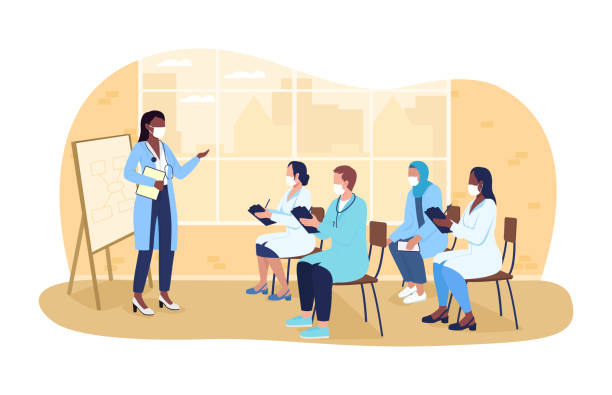





 Nursing Notes