With summer vacations quickly approaching, a serious and concerning new
The Centers for Disease Control and Prevention is urging Americans to make sure they’re protected against measles before traveling to other countries this summer.
Last week, the agency updated its travel guidance for the virus as cases pop up nationwide. Nearly all exposures at airports are linked to international travel.
That includes six cases linked to a Turkish Airlines flight that landed at Denver International Airport on May 13. The Colorado Department of Public Health and Environment said that four of the patients had been on the plane.
Warning of overseas outbreaks, CDC urges Americans to get the measles vaccine before traveling abroad
Two other people were exposed at the airport before getting sick. Measles is one of the most contagious viruses in the world. Droplets can linger in the air for up to two hours after an infected person has been there.
According to an NBC News tally, 1,125 measles cases in 33 states have been diagnosed in the U.S. this year. Texas, the state with the largest outbreak, has reported 738 cases.
The numbers are likely vast underestimates, experts say, because many people don’t get tested.
Canada and Mexico are also experiencing outbreaks. The Canadian government said it’s logged 2,515 confirmed or probable cases of measles since the beginning of the year.
Yemen, Pakistan and India top the CDC’s list of countries with the highest number of cases, but the agency notes that measles is a global problem.
“Measles outbreaks are happening in every region of the world. Anyone who is not protected against measles can get measles while abroad and easily spread it to others when they return home,” the CDC wrote on its website.
“Travelers can catch measles in many travel settings including travel hubs like airports and train stations, on public transportation like airplanes and trains, at tourist attractions, and at large, crowded events,” according to the agency’s latest guidance.
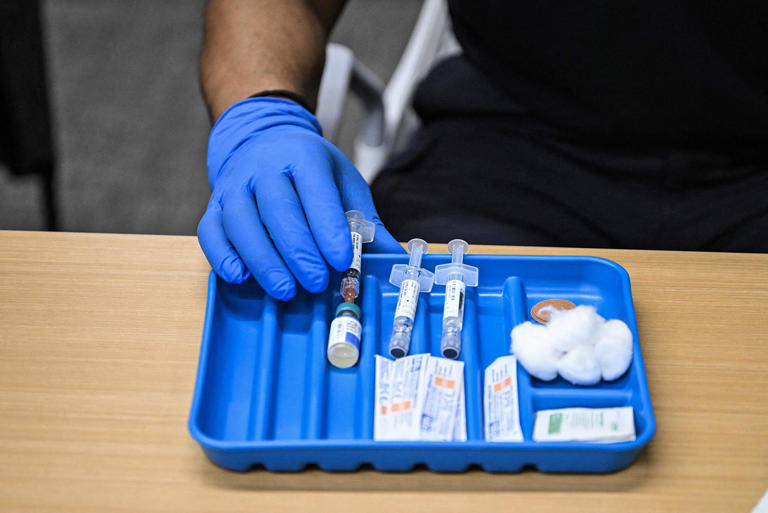
Babies as young as 6 months old can get an early dose of the measles-mumps-rubella vaccine at least two weeks before international travel, according to the CDC. Older kids and adults who don’t know whether they’ve been vaccinated should get two doses, 28 days apart before a trip.
It takes two weeks to build immunity. After that, people are considered 97% protected against measles infection.
This article was originally published on NBCNews.com
AACN Calls for Sustained Federal Investments in Nursing Education and the Workforce to Protect the Nation’s Health WASHINGTON, D.C., June 3, 2025 – The American Association of Colleges of Nursing (AACN) strongly opposes reductions in federal funding for nursing education and research, which would weaken the nation’s healthcare workforce and reduce access to care. Supplementing the “skinny” budget issued in early May, the Trump Administration has released additional details about its fiscal year (FY) 2026 budget, which calls for significant cuts and the elimination of essential programs for academic nursing, which are currently administered by the Department of Health and Human Services (HHS) and Department of Education. Consistent with the reductions outlined in the President’s proposed budget, the Administration’s FY26 budget calls for the Health Resources and Services Administration (HRSA) to be reorganized into the Agency for a Healthy America, signaling reduced or eliminated funding for most of Title VIII Nursing Workforce Development Programs. Further, the budget proposes to eliminate the National Institute of Nursing Research (NINR) in addition to $18 billion in proposed cuts to the National Institutes of Health. Overall, the budget reduces HHS funding by roughly $31 billion. “The strength of America’s nursing workforce depends on consistent investment in programs that support pathways into nursing and lifesaving research,” said Dr. Deborah Trautman, President and Chief Executive Officer of AACN. “Eliminating or reducing this funding compromises our ability to prepare the next generation of nurses and ultimately threatens patient safety and care quality.” This budget also follows through on the President’s promise to dramatically reduce the footprint of the Department of Education with an overall reduction of $12 billion. “Academic nursing is the foundation of a resilient healthcare workforce,” said Dr. Jean Giddens, Chair of AACN’s Board of Directors. “Without a sustained commitment to higher education and the institutions that educate nurses of the future, we risk falling short in terms of workforce supply and stability.” AACN will continue to advocate vigorously for academic nursing and urge Congress to prioritize an FY 2026 budget that ensures support for our nation’s nurses. Funding Title VIII Nursing Workforce Development Programs and NINR are crucial investments in the healthcare infrastructure of our nation, directly contributing to the President’s goal of creating a healthy America.### The American Association of Colleges of Nursing (AACN) is the national voice for academic nursing representing more than 875 schools of nursing nationwide. AACN establishes quality standards for nursing education, influences the nursing profession to improve health care, and promotes public support of baccalaureate and graduate nursing education, research, and practice.
The flipped-problem based learning model combines two educational approaches: the flipped classroom model and problem-based learning (PBL). In this model, students are exposed to instructional content outside the classroom through pre-recorded lectures, readings, or online modules, while the classroom time is dedicated to collaborative problem-solving and active learning activities related to real-world problems. The effect of the flipped-problem based learning model can be observed in several aspects:
Increased engagement and active learning: Flipping the classroom allows students to engage with the instructional content at their own pace and convenience, which can enhance their motivation and active participation in the learning process. In the classroom, students can apply the knowledge gained through pre-class activities to solve problems, engage in discussions, and work collaboratively with their peers.
Improved critical thinking and problem-solving skills: Problem-based learning focuses on authentic, complex problems that require critical thinking, analysis, and problem-solving skills. By combining PBL with the flipped classroom model, students have more time in the classroom to actively engage in problem-solving activities, apply their knowledge, and develop higher-order thinking skills.
Enhanced self-directed learning: The flipped-problem based learning model promotes self-directed learning as students are responsible for engaging with the instructional content independently before coming to the classroom. This encourages students to take ownership of their learning, develop self-regulation skills, and become more independent learners, which is beneficial for their long-term academic and professional development.
Facilitated peer collaboration and teamwork: The collaborative nature of problem-based learning is further supported in the flipped-problem based learning model. Classroom time is dedicated to group discussions, brainstorming, and collaborative problem-solving activities. This promotes peer collaboration, teamwork, and the exchange of diverse perspectives and ideas, fostering a supportive and interactive learning environment.
Personalized learning opportunities: The flipped-problem based learning model allows students to progress through the instructional content at their own pace, reviewing and revisiting concepts as needed. This personalized learning approach accommodates different learning styles and preferences, ensuring that students have the opportunity to grasp the content before engaging in problem-solving activities.
Application of knowledge to real-world contexts: By integrating real-world problems into the classroom activities, the flipped-problem based learning model helps students understand the relevance and practical application of the knowledge they acquire. This enhances their ability to transfer knowledge to real-life situations, preparing them for the challenges they may encounter in their future professional careers.
Topic: Medication Administration
Pre-Class Activities (completed outside the classroom):
Students are assigned to watch a pre-recorded lecture on medication administration, which covers topics such as medication calculations, routes of administration, and safety considerations.
Students are provided with online resources, such as articles or interactive modules, to further explore the topic and reinforce their understanding.
In-Class Activities:
Warm-up discussion: At the beginning of the class, students engage in a brief discussion to review the key concepts covered in the pre-recorded lecture. This allows the instructor to address any questions or concerns and ensure that all students have a basic understanding of the topic.
Case study analysis: Students are divided into small groups and given a medication administration case study. The case study presents a scenario where a patient requires medication, and students must analyze the patient’s condition, calculate dosages, consider potential drug interactions, and identify any safety precautions or considerations.
Group discussion and problem-solving: Each group discusses their case study and presents their findings to the class. The instructor facilitates a class-wide discussion, encouraging students to compare approaches, discuss challenges, and propose solutions. This promotes collaborative problem-solving and allows students to learn from each other’s perspectives.
Simulation or hands-on activity: In this flipped classroom activity, students engage in hands-on practice of medication administration. They may participate in a simulated medication administration scenario, where they demonstrate their knowledge and skills in a controlled environment. Alternatively, they may practice medication calculations or demonstrate the proper technique for administering medications using equipment or mannequins.
Reflection and application: Towards the end of the class, students reflect on the knowledge gained from the pre-class activities and the in-class activities. They discuss how the flipped classroom approach influenced their learning, identified areas of improvement, and share insights on how they can apply their learning in future clinical or practical settings.
The flipped classroom activity described above allows students to gain foundational knowledge and understanding of medication administration through pre-class activities. This frees up valuable class time for active learning, problem-solving, and hands-on practice. By engaging in collaborative activities and simulations, students can reinforce their understanding, apply their knowledge to real-world scenarios, and receive immediate feedback from their instructor and peers. This approach promotes a deeper understanding of the topic and enhances students’ critical thinking and clinical decision-making skills.
References
Kassymova, G., Akhmetova, A., Baibekova, M., Kalniyazova, A., Mazhinov, B., & Mussina, S. (2020). E-Learning environments and problem-based learning. International Journal of Advanced Science and Technology, 29(7), 346-356.
Liu, Y., & Pásztor, A. (2022). Effects of problem-based learning instructional intervention on critical thinking in higher education: A meta-analysis. Thinking Skills and Creativity, 45, 101069.
Nurkhin, A., & Pramusinto, H. (2020). Problem-Based Learning Strategy: Its Impact on Students’ Critical and Creative Thinking Skills. European Journal of Educational Research, 9(3), 1141-1150.
Nurtanto, M., Fawaid, M., & Sofyan, H. (2020, July). Problem based learning (PBL) in Industry 4.0: Improving learning quality through character-based literacy learning and life career skill (LL-LCS). In Journal of Physics: Conference Series (Vol. 1573, No. 1, p. 012006). IOP Publishing.
Assignment Description: Polypharmacy, the use of multiple medications by an individual, is a common and significant concern in the geriatric population. This assignment aims to enhance your understanding of polypharmacy and its implications for older adults, as well as explore assessment tools and management strategies to optimize medication use in this population.
Learning Objectives:
Understand the concept of polypharmacy in the context of geriatric care.
Explore the prevalence, consequences, and contributing factors of polypharmacy in older adults through a comprehensive literature review.
Compare and contrast assessment tools commonly used in clinical practice to evaluate polypharmacy in older adults, considering their purpose, reliability, validity, and ease of use.
Demonstrate an understanding of how assessment tools can assist healthcare professionals in identifying and assessing polypharmacy-related issues in geriatric patients.
Discuss the potential risks and adverse outcomes associated with polypharmacy in the geriatric population.
Identify evidence-based strategies or interventions aimed at managing polypharmacy in older adults.
Explain how each strategy addresses the challenges posed by polypharmacy and promotes medication optimization in geriatric patients.
Illustrate the application of management strategies through real-life examples or case studies in clinical practice.
Develop recommendations for healthcare professionals working with geriatric patients to minimize the risks associated with polypharmacy and improve medication management, considering interdisciplinary collaboration, patient education, and deprescribing practices.
Part 1: Literature Review
Conduct a comprehensive literature review on the topic of polypharmacy in geriatrics.
Identify and summarize at least five scholarly articles or research papers that highlight the prevalence, consequences, and contributing factors of polypharmacy in older adults.
Critically analyze the findings and identify key themes or trends related to the impact of polypharmacy on geriatric patients.
Part 2: Assessment Tools
Choose two assessment tools commonly used in clinical practice to evaluate polypharmacy in older adults.
Compare and contrast the selected assessment tools, focusing on their purpose, reliability, validity, and ease of use.
Provide examples of how these tools can assist healthcare professionals in identifying and assessing polypharmacy-related issues in geriatric patients.
Part 3: Management Strategies
Discuss the potential risks and adverse outcomes associated with polypharmacy in the geriatric population.
Identify at least three evidence-based strategies or interventions aimed at managing polypharmacy in older adults.
Explain how each strategy addresses the challenges posed by polypharmacy and promotes medication optimization in geriatric patients.
Provide real-life examples or case studies to illustrate the application of these strategies in clinical practice.
Part 4: Evidence-Based Recommendations for Practice
Based on the knowledge gained from the literature review and the assessment of assessment tools and management strategies, develop a set of recommendations for healthcare professionals working with geriatric patients.
Discuss how these recommendations can help minimize the risks associated with polypharmacy and improve medication management in older adults.
Consider factors such as interdisciplinary collaboration, patient education, and deprescribing practices in your recommendations.
Submission Guidelines:
Your assignment should be typed, double-spaced, and formatted according to the APA 7th Ed. style guidelines.
Use APA 7th Ed. style for formatting your paper.
Include a title page with your name, course details, and the assignment title.
Submit your assignment as a .doc, .docx, .rtf, or .pdf document.
Grading Rubric
Needs Improvement (1)
Developing (2)
Sufficient (3)
Above Average (4)
Clarity (Thesis supported by relevant information and ideas)
The purpose of the student work is not well-defined. Central ideas are not focused to support the thesis. Thoughts appear disconnected.
The central purpose of the student work is identified. Ideas are generally focused in a way that supports the thesis.
The central purpose of the student work is clear and ideas are almost always focused in a way that supports the thesis. Relevant details illustrate the author’s ideas.
The central purpose of the student work is clear and supporting ideas always are always well-focused. Details are relevant, enrich the work.
Organization (Sequencing of elements/ ideas)
Information and ideas are poorly sequenced (the author jumps around). The audience has difficulty following the thread of thought.
Information and ideas are presented in an order that the audience can follow with minimum difficulty.
Information and ideas are presented in a logical sequence which is followed by the reader with little or no difficulty.
Information and ideas are presented in a logical sequence which flows naturally and is engaging to the audience.
Mechanics (Correctness of grammar and spelling)
There are five or more misspellings and/or systematic grammatical errors per page or eight or more in the entire document. The readability of the work is seriously hampered by errors.
There are no more than four misspellings and/or systematic grammatical errors per page or six or more in the entire document. Errors distract from the work.
There are no more than three misspellings and/or grammatical errors per page and no more than five in the entire document. The readability of the work is minimally interrupted by errors.
There are no more than two misspelled words or grammatical errors in the document.
Evidence-based practice (EBP) is essential for providing high-quality, safe patient care in nursing. To prepare future nurses to engage in EBP, nursing education programs must utilize evidence-based teaching strategies that effectively develop students’ EBP knowledge and skills. This paper examines current evidence on effective teaching approaches for promoting EBP competencies in pre-licensure nursing students.
Interactive Teaching Strategies
Research indicates that interactive, student-centered teaching methods are more effective than traditional lecture-based approaches for developing EBP skills. Several studies have found that problem-based learning, small group work, and flipped classroom models enhance students’ abilities to formulate clinical questions, search for evidence, and critically appraise research (Horntvedt et al., 2018; Culyer et al., 2018). These interactive strategies allow students to actively engage with EBP concepts and apply them to clinical scenarios.
Simulation and clinical integration are also valuable for bridging the gap between EBP theory and practice. Studies show that incorporating EBP activities into simulation experiences and clinical rotations improves students’ confidence in implementing evidence-based interventions (Estalella et al., 2023). Having students present evidence-based recommendations in simulated clinical settings can reinforce EBP skills in a low-stakes environment. Examples of some active learning exercises could include
Think-Pair-Share:
Pose an open-ended question
Give students 1-2 minutes to think and write a response individually
Have students pair up to discuss their responses
Call on pairs to share with the whole class
One Minute Paper:
At the end of class, ask students to write brief response to one question like: “What are the two most important points from today’s session?” “What was the muddiest (least clear) point?”
Collect responses anonymously as students leave
Address key points in the next class
Peer Instruction:
Pose a conceptual question
Have students answer individually (can use clickers)
Have students discuss in pairs and try to convince each other
Have students answer again after discussion
Small Group Activities:
Break class into small groups (3-4 students)
Give groups a problem or question to discuss/solve
Have groups report back to the class
Jigsaw:
Divide a topic into smaller “pieces”
Assign each student/group to become an expert on one piece
Have students teach their piece to others
3-2-1:
Have students write down: 3 things they learned 2 things they found interesting 1 question they still have
Four Corners:
Post a question/statement in each corner of the room
Have students move to the corner that matches their view
Discuss within corner groups
Muddiest Point:
Have students identify the most confusing or unclear point from the lesson
You can follow up to clarify questions
via email
via LMS system announcement
via start of next class
Note-Sharing:
Have students pair up to compare and discuss their notes
Write down confusing questions as they go
via email
via LMS system announcement
via start of next class
Minute Paper:
Give students 1 minute to write on a specific prompt or question
Collect as students leave the room
Technology-Enhanced Learning (TEL)
Online and blended learning approaches show promise for teaching EBP. Asynchronous online modules, virtual simulations, and interactive e-learning tools can effectively deliver EBP content and allow for self-paced learning (Patelarou et al., 2020). These technology-enhanced methods may be particularly useful for teaching information literacy skills like database searching and critical appraisal of research.
TEL refers to the implementation of technology into teaching methods to enhance the learning process. It primarily involves digital technologies, though some analog technologies may be included. Enables self-paced learning by providing greater access to resources (e-books, video tutorials, etc.), allowing for more interactive and engaging content, supporting different learning styles, and facilitating real-time interaction through livestreaming. Some examples of TEL include E-books, digital devices (computers, tablets, smartphones), gamification of learning, livestream learning platforms, video and audio tools, social media for education, virtual and augmented reality, and artificial intelligence in education.
It is important for faculty to use TEL in that is aligned with the students’ technology skill level. TEL prepares students for a technology driven world which can be used in both remote and hybrid learning models. TEL also helps to improve student engagement, especially with students who are more introverted in the class room setting. TEL also provides more resources for teachers and students.
Faculty do need to be aware of several strategies when implementing TEL so that deployment goes smoothly. Faculty may want to use digital course materials, textbook, applications, and resources. It is important to optimize all content for mobile access such as cell phones or tablets. Design activities that prioritize interaction and clinical judgment over just content delivery. Overall, TEL is seen as increasingly essential in modern education, offering numerous benefits when implemented thoughtfully and effectively.
Applications that I have found to be particularly effective in either the classroom setting or in an online format. Remember that new applications are being created all of the time.
Kritik – create individual or group assignments, ensure peer reviewing occurs in an appropriate manner, this application grades student work for you and uploads to many LMS system.
Padlet – Digital canvases for whiteboards, lessons, and activities.
Packback – Engage curiosity, increase motivation, build community, and support writing practice with our award-winning student discussion platform with built-in AI coaching that helps students develop better questions and responses. Packback also improves student writing skills and confidence on written assignments through instant AI-powered coaching. Streamline the grading of writing assignments through an AI grading assistant that is tied to your specific rubric.
Nearpod – There’s a reason why Nearpod is so popular; it works. I’ve never met a teacher who didn’t like using it because it takes what you already have (Google Slides, Powerpoint, YouTube Video) and makes it interactive. From polls to game-based quizzes, virtual reality, and simulations, there are so many ways to bring your students from passive recipients to active learners.
Kahoot – Quizzing and fun activities to promote learning
GoNoodle – Get up and move activities. Some of these may be for younger than college age students, but there are many that will still work this this age group too.
Prezi – Presentations are a core part of the curriculum, but let’s face it, PowerPoint isn’t terribly engaging. Prezi allows students to create presentations that are more creative and exciting than what PP has to offer. Not only will this make the presentation creation process more interesting for students, but it will also make watching presentations more interesting. Prezi presentations are published publicly on students’ accounts, so their classmates can access them later to check their notes.
Factile – A Jeopardy platform that is fun to play.
Gimkit – Gameshow platform for learning and fun activities.
Flip – Flip (formerly Flipgrid) is a social media–style video discussion platform great for generating class discussion around topics, videos, or links posted to the class grid. Students can video-record their responses to share with the teacher or class. It’s a great tool for supporting your students to make their thinking visible.
Mentimeter – Mentimeter lets you add polls, word clouds, Q&As, and more to presentations and create an interactive experience for students, who can vote on/respond to questions and engage with the presentation in real time. This made our list because there’s so much variety in the types of formative assessments you can give in real time.
Jamboard – Jamboard is a digital whiteboard that is compatible with Google Workspace (formerly G Suite) services. It’s a game changer for emphasizing the process of learning over the product. Math teachers love how students solve and explain their solution. If you don’t use Google, Padlet is our runner-up.
Reflective Practice
Reflective practice is a systematic approach to continuous learning and professional development that involves critically examining one’s own experiences, actions, and decisions. It is the ability to reflect on one’s actions to engage in a process of ongoing learning and improvement. This concept, popularized by Donald Schön in the 1980s, has become integral to many professional fields, including education, healthcare, social work, and business.
At its core, reflective practice involves thoughtfully considering one’s experiences, analyzing them, and using the insights gained to inform future actions. It goes beyond simply thinking about past events; it requires a deliberate and structured approach to examining one’s thoughts, feelings, and behaviors in various situations. This process allows practitioners to identify areas for improvement, challenge their assumptions, and develop new strategies for handling similar situations in the future.
Reflective practice can take many forms, including reflection-in-action (thinking on your feet during an experience) and reflection-on-action (analyzing an experience after it has occurred). It often involves asking critical questions about one’s practice, such as “What worked well?”, “What could I have done differently?”, and “How does this experience align with my theoretical knowledge?” Practitioners may use various tools to facilitate reflection, such as journaling, peer discussions, mentoring sessions, or structured frameworks like Gibbs’ Reflective Cycle.
The benefits of reflective practice are numerous. It can lead to improved self-awareness, enhanced problem-solving skills, and a deeper understanding of one’s professional role and responsibilities. It also promotes continuous learning and adaptation, helping professionals stay current in their field and respond effectively to new challenges. In educational settings, reflective practice can improve teaching methods and student outcomes. In healthcare, it can lead to better patient care and safety.
However, effective reflective practice requires certain skills and attitudes. These include open-mindedness, self-awareness, critical thinking, and a willingness to question one’s own assumptions and practices. It also requires time and commitment, as meaningful reflection often involves deep thinking and analysis that cannot be rushed.
Scaffolded Approach
A scaffolded approach to teaching involves providing temporary, structured support to students as they learn new concepts or skills, gradually removing that support as students gain mastery. To implement scaffolding effectively, start by assessing students’ current knowledge and skills to determine their starting point. Then, break down complex tasks or concepts into smaller, more manageable steps. Begin by modeling the task or concept for students, clearly demonstrating each step and explaining your thought process. Next, guide students through the process together as a class, encouraging participation and providing immediate feedback. As students become more comfortable, transition to having them work in small groups or pairs, offering support as needed. Finally, allow students to work independently, stepping in only when necessary.
Throughout this process, use various scaffolding techniques such as visual aids, graphic organizers, or think-alouds to support learning. Provide clear instructions and expectations, using rubrics or checklists to help students understand the goals. Offer frequent opportunities for practice and feedback, gradually increasing the complexity of tasks as students progress. Be prepared to adjust the level of support based on individual student needs, providing more assistance to struggling students and challenging advanced learners with extension activities.
As students demonstrate proficiency, begin to remove scaffolds gradually, encouraging them to take more responsibility for their learning. This might involve reducing the amount of guidance provided, asking students to explain their thought processes, or having them teach concepts to peers. Remember that scaffolding is a flexible process, and you may need to reintroduce support if students encounter difficulties with new applications of the skill or concept. By using a scaffolded approach, you can help students build confidence, develop independence, and achieve higher levels of understanding and performance.
Interprofessional Collaboration
Interprofessional collaboration significantly enhances the educational experience by fostering a comprehensive and integrated approach to learning. This collaborative model brings together students and professionals from various healthcare disciplines, creating an environment that mirrors real-world healthcare settings. By learning alongside peers from different fields, students gain a deeper understanding of the roles, responsibilities, and expertise of other healthcare professionals. This exposure helps break down silos between disciplines and promotes a team-based approach to patient care.The collaborative learning environment encourages students to develop crucial skills such as effective communication, conflict resolution, and shared decision-making. Through interprofessional education activities like case studies, simulations, and group projects, students learn to articulate their professional perspectives while also valuing and incorporating insights from other disciplines. This process enhances critical thinking and problem-solving skills as students tackle complex healthcare scenarios from multiple angles.
Moreover, interprofessional collaboration in education prepares students for the realities of modern healthcare delivery. It helps them understand the importance of coordinated care plans and how different professionals contribute to holistic patient assessment and treatment. Students also develop a broader perspective on healthcare challenges and solutions, fostering adaptability and lifelong learning attitudes essential in the ever-evolving healthcare landscape.
The benefits extend beyond skill development. Interprofessional education cultivates mutual respect and appreciation for diverse expertise among future healthcare professionals. It builds professional relationships across disciplines, creating networks that can be valuable throughout their careers. This collaborative approach also aligns with the growing emphasis on patient-centered care, teaching students to work together towards common goals that prioritize patient outcomes.
By participating in interprofessional education, students are better prepared to enter the workforce as effective team members. They develop a more comprehensive understanding of healthcare systems and how different professionals can work together to improve patient safety, reduce errors, and enhance overall care quality. This experience not only enriches their educational journey but also equips them with the collaborative skills and mindset necessary for success in modern healthcare environments.
Faculty Development
Lifelong learning and faculty development are crucial components in teaching nursing using evidence-based practice (EBP) guidelines. As healthcare continues to evolve rapidly, nursing educators must stay current with the latest research, best practices, and technological advancements to provide the highest quality education to their students. Engaging in lifelong learning allows faculty to continually update their knowledge base, refine their teaching strategies, and model the importance of ongoing professional development for their students. This commitment to continuous learning ensures that nursing education remains relevant, effective, and aligned with the ever-changing healthcare landscape.Faculty development programs play a vital role in supporting educators in their lifelong learning journey and in implementing EBP guidelines effectively in their teaching. These programs provide opportunities for nursing faculty to enhance their pedagogical skills, learn new teaching methodologies, and stay informed about the latest developments in nursing research and practice. Through workshops, seminars, and collaborative learning experiences, faculty can develop expertise in integrating EBP into their curriculum, fostering critical thinking skills in students, and utilizing innovative teaching technologies. Additionally, faculty development initiatives often focus on enhancing skills in research methodology, grant writing, and scholarly publication, which are essential for advancing the field of nursing education and contributing to the body of evidence that informs EBP guidelines.
The integration of EBP guidelines in nursing education requires faculty to not only understand the guidelines themselves but also to develop effective strategies for teaching students how to apply these guidelines in clinical practice. This necessitates a deep understanding of both the content and the pedagogical approaches that best facilitate learning and application of EBP. Through ongoing learning and development, faculty can refine their ability to bridge the gap between theoretical knowledge and practical application, ensuring that students are well-prepared to deliver evidence-based care in their future nursing careers.
Moreover, lifelong learning and faculty development foster a culture of inquiry and innovation within nursing education programs. This culture encourages educators to critically evaluate their teaching practices, seek out new evidence to inform their instruction, and collaborate with colleagues to develop and implement best practices in nursing education. By embracing lifelong learning and participating in faculty development initiatives, nursing educators demonstrate to their students the importance of continuous professional growth and the value of evidence-based practice in delivering high-quality patient care.
Conclusion
Implementing evidence-based teaching strategies is crucial for developing strong EBP competencies in pre-licensure nursing students. Interactive, technology-enhanced, and reflective approaches show the most promise based on current research. A scaffolded curriculum that progressively builds EBP skills and incorporates interprofessional experiences can effectively prepare students for evidence-based nursing practice. Ongoing research is needed to continue refining optimal teaching methods as both nursing practice and educational technologies evolve.
References
Culyer, L. M., Jatulis, L., Cannistraci, P., & Brownell, C. A. (2018). Evidenced-based teaching strategies that facilitate transfer of knowledge between theory and practice: What are nursing faculty using?. Teaching and Learning in Nursing, 13(3), 174-179.
Estalella, I., Román, Ó., Reichenberger, T. N., Larrea, I., Garate-Echenique, L., & Juvé-Udina, M. E. (2023). Impact of a teaching strategy to promote evidence-based practice on nursing students’ knowledge and confidence in simulated clinical intervention choices. BMC nursing, 22(1), 1-11.
Horntvedt, M. E. T., Nordsteien, A., Fermann, T., & Severinsson, E. (2018). Strategies for teaching evidence-based practice in nursing education: a thematic literature review. BMC medical education, 18(1), 1-11.
Patelarou, A. E., Mechili, E. A., Ruzafa-Martinez, M., Dolezel, J., Gotlib, J., Skela-Savič, B., … & Patelarou, E. (2020). Educational interventions for teaching evidence-based practice to undergraduate nursing students: A scoping review. International journal of environmental research and public health, 17(17), 6351.
Early warning signs of clinical deterioration are crucial indicators that a patient’s condition may be worsening, requiring prompt recognition and intervention by healthcare providers, particularly nurses. These signs can be subtle and develop gradually, making vigilant monitoring and assessment essential. Common early warning signs include changes in vital signs, alterations in mental status, and new or worsening symptoms.
One of the primary indicators of deterioration is changes in vital signs. Abnormal respiratory rate, often an increase above 20 breaths per minute or a decrease below 8 breaths per minute, can signal respiratory distress or impending respiratory failure (Smith et al., 2020). Tachycardia, with a heart rate consistently above 100 beats per minute, or bradycardia below 60 beats per minute, may indicate cardiovascular compromise or underlying infection (Johnson et al., 2021). Blood pressure changes, particularly hypotension with a systolic pressure below 90 mmHg, can suggest shock or severe dehydration (Brown et al., 2022). Temperature alterations, either fever above 38°C or hypothermia below 36°C, may indicate infection or sepsis (Davis et al., 2019). Changes in mental status are another critical early warning sign. Decreased level of consciousness, confusion, agitation, or sudden changes in behavior can indicate neurological issues, metabolic disturbances, or hypoxia (Wilson et al., 2023). Nurses should be alert to subtle changes in a patient’s responsiveness or orientation, as these can precede more severe deterioration (Thompson et al., 2021).
New or worsening symptoms such as pain, particularly if sudden or severe, can signal various complications, including infection, thrombosis, or organ dysfunction (Lee et al., 2022). Changes in urine output, either oliguria or anuria, may indicate renal dysfunction or cardiovascular compromise (Garcia et al., 2020). Skin changes, including pallor, cyanosis, or mottling, can suggest circulatory issues or shock (Martinez et al., 2021). Nurses can implement several interventions to address these early warning signs and improve patient outcomes. First and foremost, increasing the frequency of vital sign monitoring and performing comprehensive assessments can help detect subtle changes early (Anderson et al., 2023). Implementing early warning scoring systems, such as the National Early Warning Score (NEWS), can aid in objectively quantifying a patient’s condition and guiding appropriate escalation of care (Taylor et al., 2022).
Oxygen therapy should be initiated or adjusted based on the patient’s needs (based on pulse oximetry), to ensure adequate oxygenation (Roberts et al., 2021). Fluid resuscitation may be necessary for patients showing signs of hypovolemia or dehydration, with careful monitoring of input and output (White et al., 2020). Administering prescribed medications, such as antibiotics for suspected infection or antiarrhythmics for cardiac issues, should be done promptly while monitoring effectiveness and side effects (Harris et al., 2022).
Clear and timely communication with the healthcare team is crucial. Nurses should escalate concerns to the appropriate provider, using structured communication tools like SBAR (Situation, Background, Assessment, Recommendation) to ensure all relevant information is conveyed effectively (Miller et al., 2023). Initiating rapid response team activation when criteria are met can bring additional resources and expertise to the bedside quickly.
The RRT typically consists of critical care-trained professionals, including intensive care nurses, respiratory therapists, and sometimes physicians, who can quickly assess the situation and implement advanced interventions.
A Rapid Response Team (RRT) plays a crucial role in addressing clinical deterioration detected by nurses, serving as a critical link between bedside care and intensive interventions. When nurses observe signs of patient decline, such as changes in vital signs, altered mental status, or other concerning symptoms, they can activate the RRT to bring immediate, specialized care to the patient’s bedside. Upon activation, the RRT arrives promptly to evaluate the patient, review recent clinical data, and collaborate with the primary care team to determine the best course of action. They may initiate treatments such as fluid resuscitation, medication administration, or respiratory support, often using standing orders that allow for rapid intervention without waiting for physician approval. The team’s expertise enables them to recognize subtle signs of deterioration that might otherwise be missed and to implement targeted therapies to stabilize the patient’s condition (Anderson et al., 2023).
Beyond immediate patient care, RRTs serve an educational function, providing real-time teaching opportunities for floor nurses and enhancing overall hospital safety culture. They can facilitate timely transfers to higher levels of care when necessary, potentially averting cardiac arrests or other severe adverse events. By intervening early in the course of clinical deterioration, RRTs aim to improve patient outcomes, reduce unplanned ICU admissions, and decrease in-hospital mortality rates. Their presence empowers nurses to act on their concerns and provides a safety net for patients, ensuring that deteriorating conditions are addressed swiftly and effectively.
Continuous education and training for nurses on recognizing and responding to early warning signs can significantly improve patient outcomes. Simulation-based training and regular case reviews can enhance nurses’ skills in identifying subtle signs of deterioration and implementing appropriate interventions (Clark et al., 2022). By focusing on early recognition of these warning signs and implementing timely, appropriate interventions, nurses play a critical role in preventing further deterioration and improving patient outcomes. The key lies in maintaining vigilance, trusting clinical judgment, and acting promptly when concerns arise.
References
Anderson, J. L., Smith, R. K., & Johnson, M. E. (2023). Enhancing early detection of patient deterioration through frequent vital sign monitoring: A prospective cohort study. Journal of Advanced Nursing, 79(3), 1234-1245.
Brown, A. B., Green, C. D., & White, E. F. (2022). Hypotension as an early indicator of shock in hospitalized patients: A retrospective analysis. Critical Care Medicine, 50(2), 345-356.
Clark, S. T., Davis, R. L., & Wilson, J. K. (2022). Impact of simulation-based training on nurses’ ability to recognize and respond to clinical deterioration: A randomized controlled trial. Nurse Education Today, 110, 105267.
Davis, M. N., Thompson, K. L., & Lee, S. J. (2019). Temperature alterations as predictors of sepsis in acute care settings: A systematic review and meta-analysis. International Journal of Nursing Studies, 98, 54-62.
Garcia, P. Q., Martinez, R. S., & Taylor, N. O. (2020). Changes in urine output as early indicators of acute kidney injury: A prospective observational study. Nephrology Nursing Journal, 47(4), 367-375.
Harris, L. M., Jones, P. R., & Miller, T. S. (2022). Timely administration of antibiotics in suspected sepsis: A quality improvement initiative. American Journal of Nursing, 122(5), 40-48.
Johnson, B. C., Smith, D. E., & Brown, F. G. (2021). Tachycardia as an early warning sign in hospitalized patients: A multicenter cohort study. Heart & Lung, 50(3), 456-463.
Lee, W. X., Garcia, Y. Z., & Harris, A. B. (2022). Pain as a predictor of clinical deterioration in hospitalized patients: A systematic review. Pain Management Nursing, 23(2), 178-186.
Martinez, E. R., Wilson, K. S., & Thompson, J. L. (2021). Skin changes as indicators of circulatory compromise: A prospective observational study in critical care units. Intensive and Critical Care Nursing, 64, 103010.
Miller, V. W., Clark, X. Y., & Davis, Z. A. (2023). Effectiveness of SBAR communication in improving patient outcomes: A systematic review and meta-analysis. Journal of Nursing Care Quality, 38(2), 145-153.
Roberts, S. T., White, J. K., & Brown, L. M. (2021). Oxygen therapy management in acute care: A randomized controlled trial comparing standard and titrated approaches. Respiratory Care, 66(5), 789-797.
Smith, A. J., Johnson, C. D., & Davis, E. F. (2020). Abnormal respiratory rate as a predictor of adverse outcomes in hospitalized patients: A prospective cohort study. Journal of Clinical Nursing, 29(13-14), 2343-2351.
Taylor, R. M., Anderson, S. L., & Thompson, K. J. (2022). Implementation of the National Early Warning Score (NEWS) in acute care settings: A mixed-methods evaluation. BMJ Quality & Safety, 31(4), 287-295.
Thompson, L. K., Wilson, M. N., & Lee, R. S. (2021). Subtle changes in mental status as predictors of clinical deterioration: A retrospective chart review. Journal of Neuroscience Nursing, 53(4), 188-194.
White, S. J., Garcia, T. L., & Martinez, P. K. (2020). Fluid resuscitation strategies in critically ill patients: A randomized controlled trial comparing conservative and liberal approaches. Critical Care, 24(1), 185.
Wilson, R. T., Smith, J. K., & Johnson, L. M. (2023). Neurological early warning signs in acute care: A prospective observational study. Journal of Neurology, Neurosurgery & Psychiatry, 94(6), 678-685.
The article “Improving Medication-Related Safety for Residents in Nursing Homes: A Qualitative Study” aimed to better understand RNs’ perceptions of medication safety concerns and potential solutions for nursing home (NH) residents, this prospective, qualitative study used semi-structured phone interviews. The research team recruited 12 RNs from two nursing homes in the northeastern United States. The Systems Engineering Initiative for Patient Safety constructs informed the interview guide, coding, and qualitative theme identification.
Results categorized non–user-friendly charting systems and highlighted more experience with paper-based charting under the technology component. For the organization component, participants emphasized the importance of teamwork, communication, and leadership. Participants also noted how education and nationality of training impact medication administration safety. Task-related concerns included different care approaches, extreme workload variation, and task prioritization during the day as critical issues. Staff shortages were expressed as an environment-related concern. The findings underscore the importance of an appropriate nurse-to-patient ratio, user-friendly charting systems, and customizing the medication administration interface in the charting system (Shieu et al., 2025).
As a nursing instructor, using effective questioning techniques can significantly enhance students’ clinical judgment skills. Thoughtful and strategic questioning encourages critical thinking, reflection, and the application of theoretical knowledge to real-world patient care scenarios. Here are some strategies to use questioning effectively in nursing education to improve students’ clinical judgment:
Open-Ended Questions: Encourage students to think deeply and critically by asking open-ended questions. These questions do not have a single right answer and require students to explore different perspectives and possibilities. For example, instead of asking, “What is the correct nursing intervention for this patient?” ask, “How would you approach this patient’s care, considering their current condition and medical history?”
Case-Based Questions: Present students with real or hypothetical patient cases and ask them to analyze the situation and propose appropriate nursing interventions. Discuss the rationale behind their choices and encourage them to consider potential outcomes and complications.
Socratic Questioning: Use the Socratic method to guide students through a series of thought-provoking questions that lead them to arrive at conclusions independently. This approach helps students develop their critical thinking abilities and enhances their clinical judgment skills.
Why-How-What Approach: When discussing patient care plans or clinical decisions, follow the “why-how-what” approach. Start by asking why a specific intervention is chosen, then explore how it will be implemented, and finally, discuss what outcomes are expected. This method encourages students to consider the rationale behind their actions and the impact on patient care.
Predicting and Evaluating Outcomes: Encourage students to predict potential patient outcomes based on their proposed interventions. Ask follow-up questions to explore the possible positive and negative consequences of their decisions. This exercise helps students connect their actions to patient well-being and safety.
Reflective Questions: After clinical experiences, simulations, or case studies, use reflective questions to help students assess their performance and clinical judgment. Ask them to identify what went well, what challenges they faced, and how they could improve their decision-making in similar situations.
Ethical Dilemmas: Present students with ethical dilemmas commonly encountered in nursing practice. Engage them in discussions about how their clinical judgment and decision-making process may be influenced by ethical considerations.
Group Discussions and Peer Learning: Encourage group discussions where students can share their perspectives and learn from each other. Peer learning fosters collaboration and exposes students to diverse viewpoints, enriching their clinical judgment abilities.
Real-Time Decision-Making: During clinical rotations, challenge students to think on their feet by asking questions about patient care in real-time. This exercise simulates the fast-paced nature of nursing practice and helps students develop quick and effective clinical judgment.
Feedback and Follow-up: Provide constructive feedback on students’ responses to questions and track their progress over time. Follow up on previous discussions to reinforce learning and allow students to demonstrate how they have integrated feedback into their clinical judgment process.
Examples of Questions you can Ask to Help Students with Clinical Judgment
“How would you prioritize the nursing interventions for this patient, considering their current condition and medical history?”
“What are some potential factors that could be contributing to this patient’s symptoms, and how would you go about further assessing them?”
“Describe your thought process when determining whether to escalate care for a patient who is showing signs of deterioration.”
“In this patient scenario, what are some alternative approaches you could consider for pain management, and how would you decide which one to implement?”
“Imagine you encounter a patient whose cultural beliefs differ significantly from your own. How would you approach providing patient-centered care while respecting their cultural preferences?”
“When dealing with a complex wound, how do you decide on the most appropriate dressing and wound care regimen for the patient?”
“Describe the steps you would take to ensure medication safety when administering high-risk medications to multiple patients simultaneously.”
“In a situation where a patient’s values and preferences conflict with the treatment plan, how would you handle the ethical dilemma?”
“What information would you seek from the patient and their family to better understand their psychosocial needs and support systems?”
“Discuss your approach to gathering evidence-based practice resources when facing a new and unfamiliar patient condition.”
“How would you adapt your communication style when providing education to a patient with limited health literacy?”
“When preparing for a patient handoff, what critical information would you include to ensure continuity of care?”
“In a rapidly changing clinical situation, how do you maintain situational awareness and make swift but informed decisions?”
“When encountering a potential medication error, what immediate actions would you take, and how would you prevent similar incidents in the future?”
“Explain how you would assess the effectiveness of a patient’s treatment plan and modify it based on their progress.”
If you implement this specific nursing intervention for the patient, what are the potential short-term and long-term outcomes you would expect to see?”
“What are some of the potential complications that could arise from the medication regimen you’ve suggested, and how would you monitor the patient for these adverse effects?”
“Based on the patient’s current condition and response to treatment, what do you anticipate will be the next steps in their care plan?”
“Imagine the patient’s family has concerns about the proposed surgical procedure. How would you address their fears and help them understand the potential benefits and risks involved?”
“Considering the patient’s comorbidities and medications, what potential drug interactions should you be vigilant about when adding a new medication to their regimen?”
“If you choose not to intervene in this particular patient case, what are the potential implications for the patient’s health and well-being?”
“You’ve administered a potent pain medication to a post-operative patient. How would you evaluate its effectiveness, and what alternative pain management strategies might you consider if the patient’s pain persists?”
“The patient is refusing a crucial diagnostic test. What are the possible outcomes of this decision, and how would you approach this situation to ensure the patient receives appropriate care?”
“Considering the patient’s age and underlying health conditions, how might their recovery differ from a younger patient with a similar diagnosis?”
“The patient’s lab results show abnormalities in their liver function. What implications might this have for their medication management and overall treatment plan?”
“You suspect the patient is experiencing a medication side effect not previously documented. How would you further investigate this, and what steps would you take to prevent further complications?”
“You’re planning to discharge the patient with a chronic condition. How would you assess their readiness for self-care management, and what could happen if they struggle to adhere to their treatment plan?”
“If you decide to use an alternative communication approach with a non-responsive patient, how would you evaluate the effectiveness of this intervention?”
“The patient’s vital signs indicate a subtle decline in their condition. What actions would you take immediately, and what outcomes are you hoping to achieve by intervening promptly?”
“You suspect the patient may be experiencing a psychological response to their diagnosis. How might addressing their emotional well-being impact their overall recovery and treatment outcomes?”
Remember that the goal of questioning in nursing education is not just to test students’ knowledge but to guide them in developing their clinical judgment skills. Creating a supportive and inquisitive learning environment empowers students to think critically and make sound decisions that positively impact patient outcomes.
References
Craig, J. L., & Page, G. (1981). The questioning skills of nursing instructors. Journal of Nursing Education, 20(5), 18-23.
Merisier, S., Larue, C., & Boyer, L. (2018). How does questioning influence nursing students’ clinical reasoning in problem-based learning? A scoping review. Nurse education today, 65, 108-115.
Nicholl, H. M., & Tracey, C. A. (2007). Questioning: a tool in the nurse educator’s kit. Nurse education in practice, 7(5), 285-292.
Saeed, T., Khan, S., Ahmed, A., Gul, R., Cassum, S. H., & Parpio, Y. (2012). Development of students’ critical thinking: the educators’ ability to use questioning skills in the baccalaureate programmes in nursing in Pakistan. JPMA. The Journal of the Pakistan Medical Association, 62(3), 200.
Clinical reasoning is a fundamental process used by healthcare professionals, including doctors, nurses, and other medical practitioners, to analyze patient information, make diagnoses, and develop treatment plans. It involves critical thinking, problem-solving, and the application of medical knowledge to provide the best possible care to patients. Here are the basics of clinical reasoning:
Data Gathering: The first step in clinical reasoning is gathering relevant information about the patient’s medical history, symptoms, physical examination findings, and any diagnostic test results. This process involves active listening, effective communication with the patient, and using appropriate questioning techniques.
Recognizing Patterns: Healthcare professionals must recognize patterns and identify potential relationships between the patient’s signs and symptoms. This involves comparing the patient’s presentation to known medical conditions and recognizing typical and atypical presentations.
"Clinical reasoning is the cognitive processing and decision-making surrounding healthcare practice" Thiani & Mershen (2023)
Generate Hypotheses: Based on the gathered data and pattern recognition, clinicians generate possible diagnoses or hypotheses. These hypotheses guide further investigation and are essential for the diagnostic process.
Differential Diagnosis: Healthcare professionals consider a list of potential diagnoses, known as a differential diagnosis. This list ranks possible explanations for the patient’s condition from most to least likely based on available evidence.
Prioritization: After generating a differential diagnosis, clinicians prioritize the potential conditions based on their severity, urgency, and impact on the patient’s health. This helps in identifying the most critical issues that need immediate attention.
Further Testing: To confirm or rule out the hypotheses, additional diagnostic tests or examinations may be ordered. These tests could include laboratory tests, imaging studies, or consultations with other specialists.
Evaluation: The results of the tests are evaluated, and clinicians compare them to the expected findings for each potential diagnosis. This evaluation helps in refining the differential diagnosis and narrowing down the possible conditions.
Diagnosis: Using all available information, including the patient’s history, examination findings, test results, and clinical expertise, the healthcare professional arrives at a final diagnosis. This is the identification of the underlying medical condition responsible for the patient’s symptoms.
Treatment Plan: Once the diagnosis is established, a treatment plan is developed. This may include medications, procedures, lifestyle changes, or referrals to specialists for further management.
Monitoring and Reevaluation: Healthcare professionals continuously monitor the patient’s response to treatment and adjust the management plan as needed. Reevaluation is crucial if the patient’s condition changes or if new information becomes available.
Reflection and Learning: Clinical reasoning is an ongoing process, and healthcare professionals reflect on their decisions and outcomes to learn and improve their skills continuously.
Clinical reasoning requires a balance between theoretical medical knowledge, practical experience, and critical thinking skills. It is an essential aspect of providing high-quality and patient-centered care in the medical field.
References
Pillay, T., & Pillay, M. (2023). The power struggle: exploring the reality of clinical reasoning. Health: An Interdisciplinary Journal for the Social Study of Health, Illness & Medicine, 27(4), 559–587. https://doi-org.proxy.mul.missouri.edu/10.1177/13634593211054008
Trinidad, D. R., & Wung, S.-F. (2023). Excellence via Strategic Experiential Learning (ExSEL): A Continuous Improvement Project for Developing Clinical Reasoning and Management. Clinical Simulation in Nursing, 81, N.PAG. https://doi-org.proxy.mul.missouri.edu/10.1016/j.ecns.2023.05.003
van Sassen, C. G. M., van den Berg, P. J., Mamede, S., Knol, L., Eikens-Jansen, M. P., van den Broek, W. W., Bindels, P. J. E., & Zwaan, L. (2023). Identifying and prioritizing educational content from a malpractice claims database for clinical reasoning education in the vocational training of general practitioners. Advances in Health Sciences Education, 28(3), 893–910. https://doi-org.proxy.mul.missouri.edu/10.1007/s10459-022-10194-8





 Nursing Notes