Hereditary sensorineural hearing loss (HSNHL) is a type of sensorineural hearing loss that is caused by genetic factors and is passed down through families. It is one of the most common types of hereditary hearing loss. HSNHL can be present at birth (congenital) or may develop later in life due to genetic mutations.
There are two main patterns of inheritance for hereditary sensorineural hearing loss:
Autosomal Dominant Inheritance: In this pattern, the gene mutation responsible for hearing loss is located on one of the autosomal chromosomes (non-sex chromosomes). If a person inherits a mutated gene from one parent, they can develop hearing loss, even if the other gene they inherit from the other parent is normal. Each child of an affected individual has a 50% chance of inheriting the gene mutation and the associated hearing loss.
Autosomal Recessive Inheritance: With this pattern, both parents carry a single copy of the mutated gene, but they do not have hearing loss themselves because one normal gene is sufficient to maintain hearing. However, if a child inherits a mutated gene from both parents (one from each), they can develop sensorineural hearing loss. This form of inheritance typically results in more severe hearing loss compared to autosomal dominant inheritance.
The genetic mutations causing hereditary sensorineural hearing loss can affect various parts of the auditory system, including the cochlea, auditory nerve, and other related structures. The severity and progression of HSNHL can vary widely depending on the specific genetic mutation involved.
Treatment for hereditary sensorineural hearing loss may include hearing aids, cochlear implants, or other assistive hearing devices, depending on the severity of the hearing loss. Early diagnosis and intervention are essential to provide appropriate management and support for individuals with HSNHL.
Genetic counseling is also crucial for families with a history of hereditary hearing loss. Genetic counselors can provide information about the inheritance pattern, assess the risk of passing on the condition to future generations, and help individuals make informed decisions regarding family planning and genetic testing.
Living with hearing loss can be challenging, but there are many tools and strategies available today that can help individuals with hearing loss to communicate effectively and stay connected to the world around them. Here are some tips and resources to help you navigate life with hearing loss:
Get a hearing test: The first step in managing hearing loss is to get a hearing test. This can help you understand the extent of your hearing loss and determine the best course of action.
Consider hearing aids or cochlear implants: Depending on the severity of your hearing loss, hearing aids or cochlear implants may be recommended. These devices can help amplify sounds and make it easier to hear and understand speech.
Use assistive listening devices: There are many assistive listening devices available today that can help individuals with hearing loss to better communicate in a variety of settings. These can include amplified phones, captioned telephones, personal FM systems, and more.
Communicate effectively: When speaking with someone who has hearing loss, it’s important to speak clearly and face them directly. Avoid speaking too quickly or covering your mouth, and be patient if they ask you to repeat something.
Seek support: There are many support groups and resources available for individuals with hearing loss and their families. These can provide a sense of community and help you navigate the challenges of living with hearing loss.
Remember, hearing loss is a common condition, and there is no shame in seeking help. With the right tools and support, it is possible to live a full and fulfilling life with hearing loss.
It is concerning that hearing loss and dementia are so very intertwined. However, increasing evidence suggests that treating your hearing loss can slow the onset and progression of dementia.
The relationship between hearing loss and an increased risk of dementia diagnosis has been the subject of growing research and interest in recent years. Here’s a description of how dementia diagnosis is more common among individuals with hearing loss:
Epidemiological Evidence: Numerous studies have shown a significant association between hearing loss and a higher risk of dementia diagnosis. These studies suggest that people with hearing impairment are more likely to develop dementia compared to those with normal hearing.
Shared Risk Factors: Hearing loss and dementia share common risk factors, such as age and cardiovascular disease. As people age, they are more susceptible to both conditions. Cardiovascular health problems like hypertension and diabetes, which are risk factors for dementia, can also affect hearing.
Social Isolation and Cognitive Decline: Hearing loss can lead to social isolation and communication difficulties. Social isolation, in turn, has been linked to cognitive decline and an increased risk of developing dementia. People with hearing loss may withdraw from social activities, leading to a reduction in cognitive stimulation.
Cognitive Load: Those with hearing loss often expend more cognitive effort in trying to understand spoken language, especially in noisy environments. This increased cognitive load may leave fewer cognitive resources available for other tasks, potentially contributing to cognitive decline over time.
Auditory Deprivation: Auditory deprivation is the idea that reduced input from the auditory system can lead to changes in the brain. Some researchers suggest that a lack of auditory stimulation due to hearing loss may contribute to neural changes that increase the risk of cognitive impairment.
Hearing Loss Subtypes: Certain subtypes of hearing loss, such as age-related hearing loss (presbycusis), have been particularly associated with an increased risk of dementia. The exact mechanisms underlying this connection are still being explored.
Early Detection and Intervention: Recognizing the relationship between hearing loss and dementia provides an opportunity for early intervention. Addressing hearing loss through hearing aids or cochlear implants may help mitigate the risk of cognitive decline and dementia.
Public Health Implications: The growing body of evidence linking hearing loss and dementia diagnosis has public health implications. It highlights the importance of hearing health in maintaining cognitive function as individuals age. Public health campaigns and healthcare initiatives may promote regular hearing check-ups and interventions for those with hearing loss to reduce their dementia risk.
In summary, there is a clear association between hearing loss and an increased risk of dementia diagnosis. This connection highlights the need for greater awareness, research, and early intervention to address hearing loss as a potential modifiable risk factor for dementia. Further studies are ongoing to better understand the precise mechanisms involved in this relationship and to develop strategies for prevention and intervention.
References
Kirubalingam, K., Nguyen, P., Newsted, D., Gill, S. S., De La Lis, A., & Beyea, J. A. (2023). Hearing Loss and Dementia: A Population-Based Cohort Study. Dementia & Geriatric Cognitive Disorders, 52(3), 147–155. https://doi-org.proxy.mul.missouri.edu/10.1159/000530757
Macnab, T.-M. P., Espahbodi, S., Hogervorst, E., Thanoon, A., Fernandes, G. S., Millar, B., Duncan, A., Goodwin, M., Batt, M., Fuller, C. W., Fuller, G., Ferguson, E., Bast, T., Doherty, M., & Zhang, W. (2023). Cognitive Impairment and Self-Reported Dementia in UK Retired Professional Soccer Players: A Cross Sectional Comparative Study. Sports Medicine – Open, 9(1), 1–10. https://doi-org.proxy.mul.missouri.edu/10.1186/s40798-023-00588-2
Reed, M., Freedman, M., Mark Fraser, A. E., Bromwich, M., Santiago, A. T., Gallucci, C. E., & Frank, A. (2022). Enhancing Clinical Visibility of Hearing Loss in Cognitive Decline. Journal of Alzheimer’s Disease, 86(1), 413–424. https://doi-org.proxy.mul.missouri.edu/10.3233/JAD-215377
Völter, C., Fricke, H., Faour, S., Lueg, G., Nasreddine, Z. S., Götze, L., & Dawes, P. (2023). Validation of the German Montreal-Cognitive-Assessment-H for hearing-impaired. Frontiers in Aging Neuroscience, 1–11. https://doi-org.proxy.mul.missouri.edu/10.3389/fnagi.2023.1209385
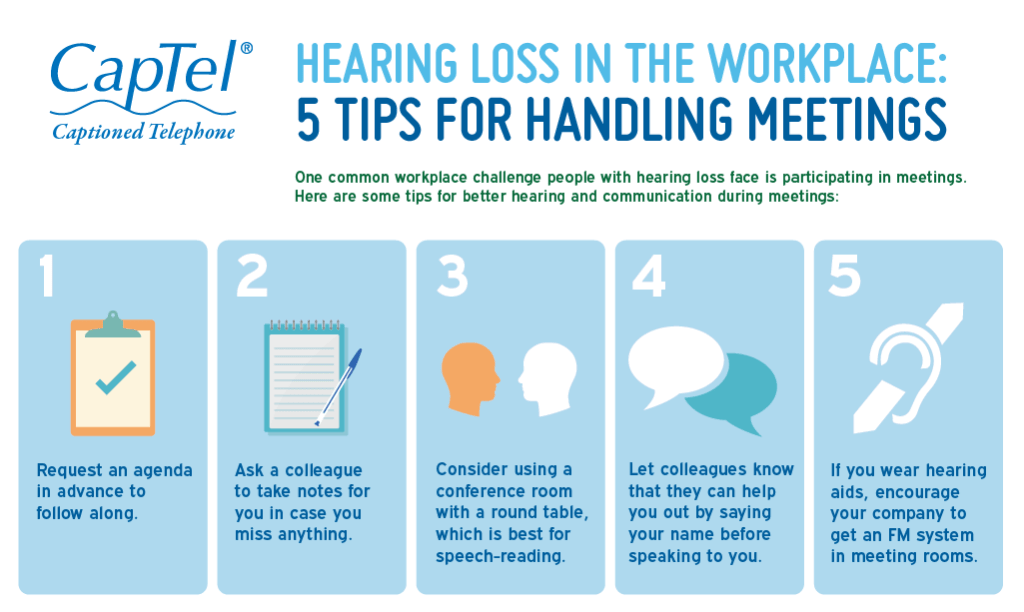
Hearing loss is a disability that can significantly impact an individual’s ability to communicate and interact in the workplace. Accommodations and support are essential to ensure that individuals with hearing loss can participate fully and effectively in their professional environments. Here are some considerations and accommodations that can be helpful:
Assistive Listening Devices: Provide employees with assistive listening devices such as hearing aids or cochlear implants to enhance their hearing abilities.
Communication Access: Ensure that communication within the workplace is accessible. This can be achieved through various means, including providing written materials or using visual aids during presentations and meetings. Implementing closed captioning or real-time transcription services can also be beneficial.
Environmental Modifications: Make adjustments to the workplace environment to minimize background noise and enhance sound transmission. This can include using sound-absorbing materials, installing carpeting, or using cubicle partitions to reduce noise distractions.
Visual Alerts: Implement visual alert systems to supplement auditory signals. For example, using flashing lights for fire alarms or visual notifications for incoming phone calls or other important announcements.
Workplace Policy and Training: Develop policies that promote inclusivity and educate employees about hearing loss and effective communication strategies. This can include providing training on how to effectively communicate with individuals who have hearing loss, raising awareness about the impact of loud noises on hearing, and encouraging a supportive and understanding work culture.
Flexible Work Arrangements: Consider flexible work arrangements such as remote work or modified schedules to accommodate specific needs related to hearing loss. This can help reduce the challenges posed by noisy environments or improve access to necessary assistive technologies.
Designated Quiet Spaces: Create designated quiet spaces where employees can go to have important conversations or work without distractions.
Collaboration and Support: Foster a supportive and inclusive work environment by encouraging collaboration and empathy among employees. Encourage open communication and provide support mechanisms for employees with hearing loss, such as mentoring programs or access to counseling services.
It’s important to note that the specific accommodations needed may vary depending on the individual and the nature of their hearing loss. Employers should engage in an interactive process with employees to identify their needs and determine appropriate accommodations. Additionally, it’s crucial to stay updated on local laws and regulations regarding disability accommodations in the workplace to ensure compliance.
Communicating with someone who is hearing impaired requires patience, understanding, and the use of effective communication strategies. There are many strategies one can use to effectively communicate with someone who is hard of hearing.
Face the Person Directly:
Ensure you are facing the person directly so they can see your facial expressions, lip movements, and gestures. This visual information can provide important context to the conversation.
Speak Clearly and Naturally:
Speak at a normal pace and volume, enunciating your words clearly. Avoid shouting, or even raising your voice, as it can distort lip movements and make it difficult for the person to read your lips.
Use Facial Expressions and Gestures:
Utilize facial expressions and gestures to enhance your communication. Non-verbal cues can help convey emotions and context. If needed write your message down.
Avoid Covering Your Mouth:
Keep your hands away from your face when speaking to allow the person to see your lips and facial expressions. Avoid eating or chewing gum during a conversation.
Provide Written Information:
If appropriate, use written communication to supplement verbal communication. This can include notes, messages, or visual aids to convey important information.
Use Assistive Technology:
Explore the use of assistive technology, such as hearing aids, cochlear implants, or communication apps, to enhance the individual’s ability to hear and communicate.
Repeat and Rephrase:
If the person requests repetition, try to rephrase your statement instead of repeating the same words. This provides another opportunity for understanding. Say the same thing in the same way first. Use a normal volume, if this doesn’t work rephrase what you said to provide more context to the conversation.
Reduce Background Noise:
Minimize background noise and distractions to create a quieter environment for communication. This can make it easier for the individual to focus on the conversation.
Ask for Preferences:
Inquire about the person’s preferred communication method. Some individuals may prefer lip reading, while others may rely on sign language or written communication.
Be Patient and Allow Time:
Give the person ample time to process information and respond. Avoid rushing the conversation, and be patient during interactions.
Educate Others:
If you are part of a group, educate others on effective communication strategies for interacting with someone who is hearing impaired. Encourage others to follow similar guidelines to create an inclusive environment.
Learn Basic Sign Language:
Not all persons who are hearing impaired use sign language, however, some do. Ask the person what their preferred method of communication is. If they use sign language, consider learning basic sign language. This can greatly enhance your ability to communicate with individuals who use sign language as their primary means of communication.
Remember that communication preferences can vary among individuals, so it’s essential to be adaptable and responsive to the specific needs of the person you are communicating with. Open dialogue and a willingness to learn can contribute to more effective communication with individuals who are hearing impaired.
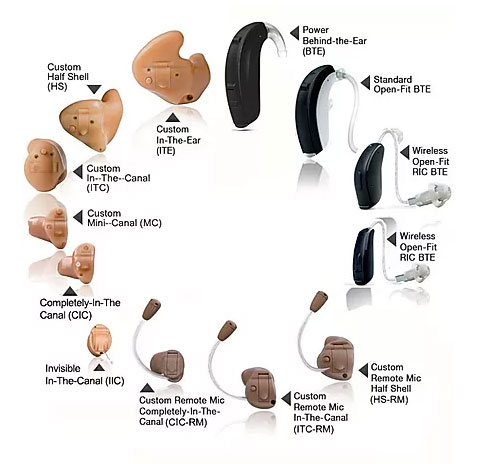
Hearing aids come in all shapes and sizes. You might want a hearing aid that is hard to see in your ear, or you may not care. These are some of the choices you can make when choosing a hearing aid. While designers keep making smaller hearing aids to meet the demand for a hearing aid that is not very noticeable, smaller aids may not have the power needed to give you the improved hearing you may expect.
It’s essential to have realistic expectations when using hearing aids to ensure a satisfying and effective experience. Here are some realistic expectations for hearing aids:
“You know it’s very difficult to be an actor, and to have people depending on you to say the right line, at the right time, and to not be able to hear your cues! I can’t tell you how many times I would’ve had to have said What? if I didn’t have my hearing aids. So my hearing aids are a life saver, and they allow me to practice my craft.” Leslie Nielsen
Improved Hearing, Not Perfect Hearing: Hearing aids can significantly improve your ability to hear and understand sounds, conversations, and other auditory cues. However, they may not completely restore your hearing to the level you had before hearing loss.
Adaptation Period: When you first start using hearing aids, there is an adjustment period during which your brain needs time to adapt to the amplified sounds. It may take a few weeks or even months to get used to the new sounds and settings.
Better Communication: Hearing aids are designed to help you hear and communicate better, especially in challenging listening environments like noisy restaurants or crowded gatherings. They may not eliminate background noise entirely, but they can help you focus on speech.
Customization is Key: Hearing aids can be adjusted and customized to your specific hearing needs. You may need multiple appointments with your audiologist to fine-tune the settings for optimal performance.
Maintenance and Care: Hearing aids require regular maintenance and care. Cleaning them daily and following your audiologist’s recommendations for maintenance is crucial for their longevity and performance.
Battery Life and Charging: If your hearing aids are not rechargeable, you’ll need to replace the batteries periodically. Battery life varies depending on the style and technology of the hearing aid, so be prepared to change batteries as needed.
Communication Improvement: Hearing aids can significantly improve your ability to understand speech, but they may not restore your ability to hear certain high-pitched or low-pitched sounds perfectly.
Situational Benefits: You’ll notice the most significant benefits of hearing aids in situations where background noise is a challenge. In quiet environments, you may not notice as much of a difference.
Regular Follow-Up Appointments: Hearing aids may require periodic adjustments, especially as your hearing changes over time. Expect to schedule follow-up appointments with your audiologist for ongoing care.
Realistic Noise Reduction: While hearing aids can have noise reduction features, they may not eliminate all background noise. You may still hear some level of background noise in noisy environments.
Improved Quality of Life: Hearing aids can have a profound impact on your overall quality of life. Expect to experience improved social interactions, better communication, and enhanced confidence in various situations.
Compatibility with Accessories: Many hearing aids can connect to accessories like remote controls, smartphone apps, and TV streamers for added convenience. However, the extent of compatibility may vary depending on the hearing aid model.
Remember that hearing aids are highly effective tools for managing hearing loss and improving your communication abilities. Setting realistic expectations and maintaining open communication with your audiologist will help you get the most out of your hearing aids and achieve the best possible outcomes.
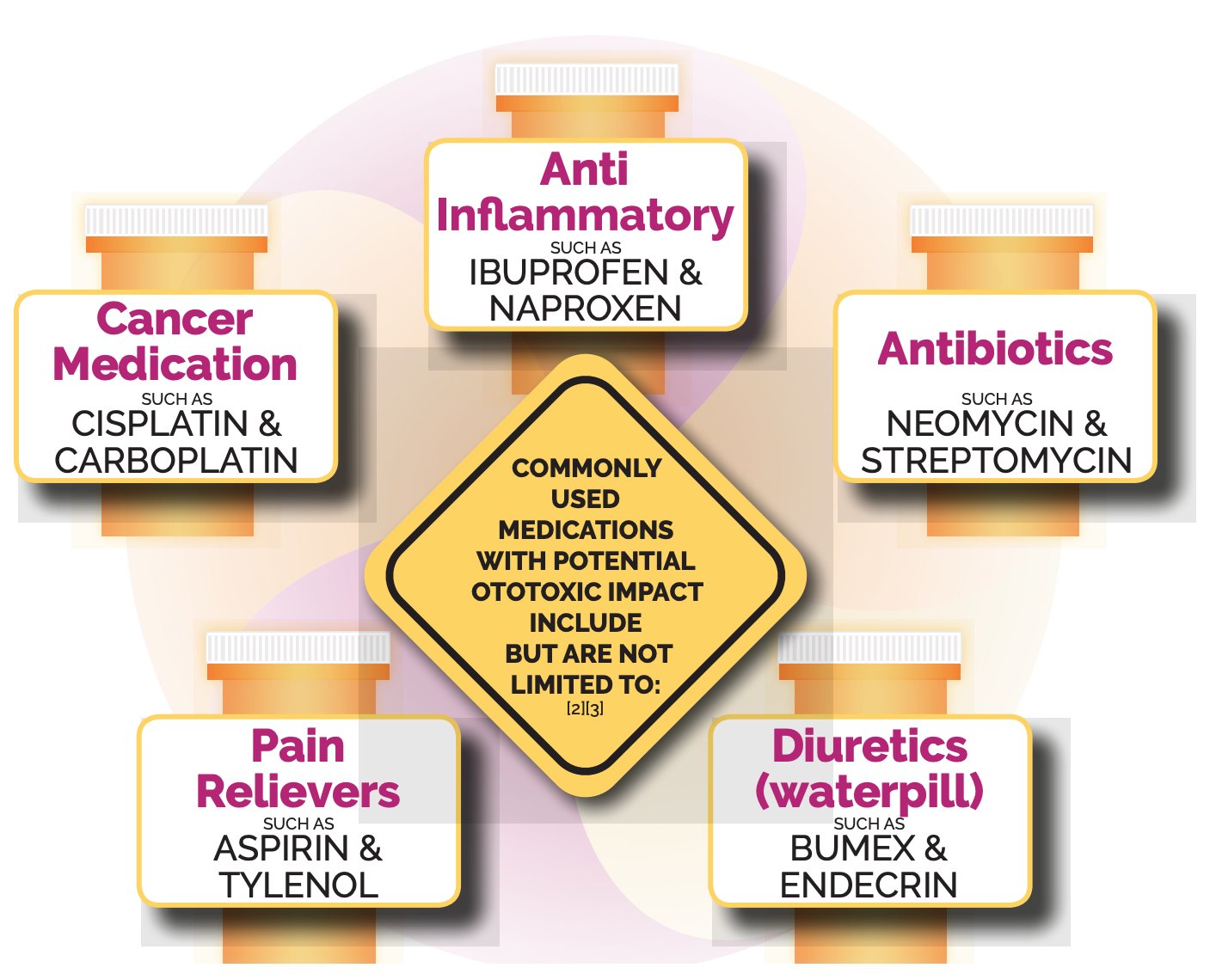
Ototoxic medications are drugs that have the potential to cause damage to the inner ear or the auditory nerve, leading to hearing loss or balance problems. The term “ototoxic” comes from the combination of “oto” (related to the ear) and “toxic” (indicating harmful effects). While these medications are effective for treating various health conditions, they can have adverse effects on the auditory and vestibular (balance) systems. Not everyone who takes these medications will experience hearing loss, but it is essential to be aware of the potential risks.
Here are some common types of medications known to have ototoxic effects:
Aminoglycoside Antibiotics: These antibiotics, such as gentamicin and tobramycin, are used to treat serious bacterial infections. They can cause irreversible hearing loss, especially when used at high doses or for extended periods.
Loop Diuretics: Diuretics like furosemide (Lasix) are used to treat conditions like edema and high blood pressure. High doses of loop diuretics can lead to temporary or permanent hearing loss.
Non-Steroidal Anti-Inflammatory Drugs (NSAIDs): Some studies suggest that prolonged use of high-dose NSAIDs may be associated with a higher risk of hearing loss.
Chemotherapy Drugs: Certain chemotherapy medications used to treat cancer, such as cisplatin and carboplatin, can cause hearing loss as a side effect.
Salicylates: Aspirin and other salicylate-containing medications can cause temporary hearing loss, tinnitus (ringing in the ears), and balance issues at high doses.
Quinine: Quinine, used to treat malaria and muscle cramps, can cause reversible hearing loss and tinnitus.
The degree of hearing loss or balance problems caused by ototoxic medications can vary depending on factors like the individual’s sensitivity, dosage, and duration of treatment. In some cases, the hearing loss may be temporary and reversible once the medication is stopped, while in others, it can be permanent.
If you are prescribed any medication known to be ototoxic, it’s essential to discuss the potential risks and benefits with your healthcare provider. They can monitor your hearing during treatment and adjust the dosage or switch to an alternative medication if needed. If you notice any changes in your hearing, balance, or experience ringing in your ears while taking medication, inform your healthcare provider promptly. Early detection of hearing issues can help in managing and minimizing the impact on your hearing health.
Sudden single-sided hearing loss (SSHL), also known as sudden unilateral sensorineural hearing loss, is defined as a rapid loss of hearing in one ear occurring over a period of 72 hours or less. It is considered a medical emergency that requires prompt evaluation and treatment. This article reviews the epidemiology, pathophysiology, clinical presentation, and management of SSHL.
Epidemiology
The annual incidence of SSHL is estimated to be 5-20 cases per 100,000 persons, though the true incidence may be higher due to cases that resolve spontaneously before medical evaluation. SSHL can affect people of all ages but peaks in the 50-60 year age group. There is no clear gender predilection. The vast majority (>95%) of cases are unilateral.
A recent study by Kay-Rivest et al. (2022) estimated the prevalence of SSD in the United States adult population to be between 0.11% and 0.14%, depending on the definition used. This translates to approximately 271,122 to 345,064 adults. The prevalence was found to be higher in older age groups, with the highest prevalence (0.25%) in individuals aged 60-79 years. Women had a slightly higher prevalence (0.17%) compared to men (0.11%).
The prevalence varies by ethnicity, with the highest rates found in non-Hispanic whites (0.15%) and the lowest in non-Hispanic blacks (0.06%). A large South Korean study by Kim et al. found the mean annual incidence of unilateral SSHL to be 17.76 cases per 100,000 population. They noted a slight female predominance, with a male-to-female ratio of 1:1.35. Most patients were in their 60s at presentation.
Pathophysiology
The exact pathophysiology of SSHL remains unclear in most cases. Proposed mechanisms include:
Viral infection: Viral labyrinthitis or cochleitis
Vascular: Microcirculatory disturbances in cochlear blood flow
Autoimmune: Antibodies against inner ear antigens
Membrane rupture: Rupture of intracochlear membranes
Cochlear stress response: Metabolic exhaustion of inner ear tissues
In many cases, the etiology is likely multifactorial. Only about 10% of cases have an identifiable cause after thorough evaluation.
Signs and Symptoms
The hallmark of SSHL is rapid onset of unilateral hearing loss, often noticed upon waking in the morning. Associated symptoms may include:
Tinnitus (ringing or buzzing in the affected ear)
Fullness or pressure sensation in the ear
Vertigo or dizziness (in about 30-40% of cases)
Difficulty with sound localization (determining where sounds are located)
Trouble hearing in noisy environments
Patients often describe the hearing loss as a “blocked” or “muffled” sensation in the affected ear. The severity can range from mild to profound. There are several risk factors that may increase the likelihood of developing sudden single-sided hearing loss (SSHL):
Age: While SSHL can affect people of all ages, the peak incidence appears to be in the 50-60 year age range. The median age at presentation is typically 40-54 years old.
Cardiovascular risk factors: Conditions like hypertension, diabetes, and hyperlipidemia may increase risk due to potential vascular compromise of the inner ear.
Viral infections: Upper respiratory infections or other viral illnesses are thought to potentially trigger SSHL in some cases.
Autoimmune disorders: Conditions affecting the immune system may increase risk.
Ototoxic medications: Certain medications that can damage the inner ear may precipitate sudden hearing loss.
Acoustic trauma: Exposure to very loud noises or explosions can cause sudden hearing loss.
Head trauma: Injuries to the head may lead to SSHL.
Genetic factors: There may be a hereditary component in some cases, though this is not fully understood.
Stress: High levels of stress have been associated with increased risk in some studies.
Previous history of hearing loss: Those with existing hearing impairment may be at higher risk.
Meniere’s disease: This inner ear disorder can sometimes cause episodes of sudden hearing loss.
Smoking: Some research suggests smokers may have higher rates of SSHL.
It’s important to note that in many cases of SSHL, no clear cause or risk factor is identified. The condition can occur idiopathically in otherwise healthy individuals. Prompt medical evaluation is important regardless of risk factors, as early treatment may improve outcomes.
Immediate Treatment
SSHL is considered a medical emergency requiring urgent evaluation and treatment. The initial management includes:
Thorough history and physical examination
Audiometric testing to confirm and quantify the hearing loss
Basic laboratory studies (CBC, metabolic panel)
Magnetic Resonate Imaging (MRI) with contrast of the internal auditory canals to rule out retrocochlear pathology
The mainstay of immediate treatment is high-dose oral corticosteroids, typically prednisone 1 mg/kg/day for 10-14 days followed by a taper. This should be initiated as soon as possible, ideally within 24 hours of symptom onset. For patients who cannot tolerate oral steroids or present after 24 hours, intratympanic steroid injections may be considered as salvage therapy. This involves injecting dexamethasone directly into the middle ear space. Hyperbaric oxygen therapy has shown some promise as an adjunctive treatment, particularly for severe SSHL or cases resistant to initial steroid therapy.
Long-Term Management
The prognosis for hearing recovery in SSHL is variable. Approximately 32-65% of patients will experience some degree of spontaneous recovery, with better outcomes associated with milder initial hearing loss and earlier treatment initiation. For patients with persistent hearing loss after initial treatment, long-term management options include:
Hearing aids: For mild to moderate residual hearing loss
Contralateral routing of signal (CROS) hearing aids: For single-sided deafness
Bone-anchored hearing devices: Another option for single-sided deafness
Cochlear implantation: For profound hearing loss with poor speech discrimination
Patients should also receive counseling on communication strategies and environmental modifications to optimize hearing in their daily lives.
Conclusion
Sudden single-sided hearing loss is a relatively uncommon but potentially devastating condition requiring prompt medical attention. While the exact pathophysiology remains unclear in most cases, early initiation of high-dose corticosteroids offers the best chance for hearing recovery. Long-term management focuses on auditory rehabilitation for those with persistent deficits. Ongoing research into novel therapies and regenerative approaches offers hope for improved outcomes in the future.
Stories of People Who Have Experienced Sudden Single Sided Deafness
Chandrasekhar SS, et al. Clinical practice guideline: sudden hearing loss (update). Otolaryngol Head Neck Surg. 2019;161(1_suppl):S1-S45.
Kuhn M, et al. Sudden sensorineural hearing loss: a review of diagnosis, treatment, and prognosis. Trends Amplif. 2011;15(3):91-105.
Stachler RJ, et al. Clinical practice guideline: sudden hearing loss. Otolaryngol Head Neck Surg. 2012;146(3 Suppl):S1-35.
Kim SH, et al. Sudden sensorineural hearing loss in children and adolescents: Clinical characteristics and age-related prognosis. Auris Nasus Larynx. 2018;45(3):447-455.
Kay-Rivest, E., Irace, A. L., Golub, J. S., & Svirsky, M. A. (2022). Prevalence of Single-Sided Deafness in the United States. The Laryngoscope, 132(8), 1652–1656. https://doi.org/10.1002/lary.29941





 Nursing Notes