Choosing the right hearing aids is an important decision that should be made in consultation with an audiologist or hearing healthcare professional. Here are some steps to consider when choosing hearing aids:
- Get a Hearing Evaluation: The first step is to have a comprehensive hearing evaluation conducted by a qualified audiologist. This will help determine the extent and type of hearing loss you have.
- Discuss Your Lifestyle and Needs: Talk to your audiologist about your lifestyle and specific hearing needs. Consider factors like your daily activities, social interactions, and the environments where you spend the most time.
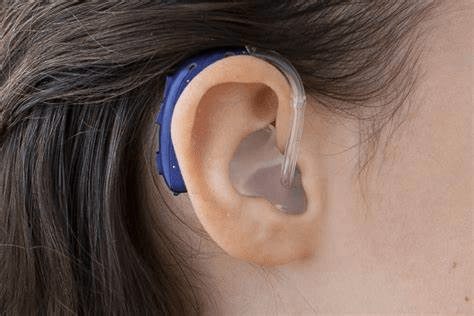
- Choose the Style: Hearing aids come in various styles, including behind-the-ear (BTE), in-the-ear (ITE), in-the-canal (ITC), and completely-in-the-canal (CIC). The choice of style often depends on your preferences and the degree of hearing loss. You can also use this Hearing Aid Wizard from hearingtracker.com
- Technology Level: Hearing aids come in different technology levels, ranging from basic to advanced. High-level technology often offers features like noise reduction, directional microphones, and Bluetooth connectivity. Your choice will depend on your budget and specific needs.
- Consider Special Features: Think about any special features that may benefit you. For example, some hearing aids have telecoil options for better phone compatibility, while others are rechargeable for convenience.
- Trial Period: Many hearing aid providers offer trial periods that allow you to try the devices and see how they work in different situations. This is essential to determine if the hearing aids meet your expectations.
- Ask About Warranty and Support: Inquire about the warranty and ongoing support provided by the manufacturer or hearing aid provider. This can include repairs, adjustments, and follow-up appointments.
- Cost and Insurance: Discuss the cost of the hearing aids and inquire about any insurance coverage or financial assistance programs that may be available to you.
- Maintenance and Cleaning: Understand the maintenance and cleaning requirements for the hearing aids. Proper care can prolong their lifespan and performance.
- Realistic Expectations: Keep in mind that hearing aids can improve your hearing, but they may not fully restore it. It’s important to have realistic expectations about the benefits they can provide.
- Ask for Recommendations: If you know someone who wears hearing aids, ask for their recommendations and experiences. Word-of-mouth referrals can be valuable.
- Stay Informed: Stay informed about the latest advancements in hearing aid technology and research. Technology is continually evolving, and new options may become available that better suit your needs.
- Follow-up: After getting hearing aids, attend follow-up appointments with your audiologist for adjustments and to address any concerns or issues you may have.
Remember that selecting the right hearing aids is a personalized process. What works for one person may not work for another. Your audiologist is your best resource for guidance and support throughout this journey, so be sure to ask questions and share your concerns openly.
 Nursing Notes