When writing for an academic and/or professional audience, following specific guidelines for formatting is very important to ensure clarity and consistency. The American Psychological Association (APA) 7th Edition is one of the most frequently used models. This essay will elaborate on the correct ways to submit a manuscript or assignment in APA 7th Edition format, highlighting how core elements such as the title page, abstract and citations help to keep a scholarly document intact and sound.
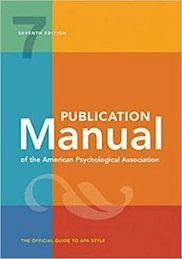
The title page is the beginning of your manuscript or paper and has only the information pertinent to the document. The name of the paper or manuscript comes first, and the title is concise, descriptive, and centered, spanning the entire top half of the page. Next, you write your name, institution, the class number and name, the instructor’s name, and do not forget the due date. The title page makes the paper feel well-organised and legitimate. Without one, the document is aimless and incomplete.
An abstract is a short summary of what the manuscript or assignment will discuss. It should be contained in at least one paragraph and no longer than 150-250 words. In APA 7th Edition, the abstract is also contained on a separate page following the title page (or cover page). The abstract should appropriately summarise the main discoveries or arguments that will be discussed in the rest of the piece. Being able to capture the essence of one’s work in a succinct piece of writing requires knowing how to distill complex ideas into a simple narrative that provides readers with a bird’s eye view of the nature and scope of your work.
According to the APA style, the page numbers have to be the exact same in your reference entry as they appear in the text.In an APA formatted document, the references are at the end of the manuscript on a new page titled ‘References’. Each of your reference entries has to be under the APA style format, which includes the name of the author(s), year it was published, title, and source. Following APA citation and making-an-entry rules make your work look more scholarly and reliable because you are citing people’s works without citing others. Not following an APA citation and making-an-entry rule can mislead the reader. Not following proper citation is plagiarism and will jeopardise your future-life-career. A wrong inference of APA citations could make the reader believe that you are the one who has done these or wrote these, which, at worst, could give someone academic credit that they did not actually deserve.
Using best practices for the manuscript or assignment of a paper written in APA 7th Edition — understanding that your scholarly communication will be more standardized and therefore readable all over the world — these details can help you become a better writer of academia and also help them read your work in a more reasonable and confident way. That’s why it’s so important to focus on the details of formatting and make your academic as well as professional writing stronger, clearer and more reliable, right from the beginning.
 Nursing Notes