Hearing loss resulting from a traumatic brain injury (TBI) can occur due to several mechanisms. Direct trauma to the outer, middle, or inner ear can cause mechanical damage, such as ruptured eardrums or dislocated ossicles, which impairs sound transmission. Neurological damage to the auditory nerve or brain regions responsible for processing sound can also result from TBI. Additionally, TBIs can lead to acoustic trauma from blasts or loud noises, causing sensorineural hearing loss. Secondary effects, such as increased intracranial pressure and disrupted blood flow to the auditory system, further contribute to hearing loss. Lastly, TBI-related hearing loss can be accompanied by symptoms like tinnitus, hyperacusis, and balance issues, complicating the diagnosis and treatment
- Mechanical damage:
- TBI can cause direct trauma to the outer, middle, or inner ear structures. This may include:
- Rupture of the eardrum (tympanic membrane). The eardrum plays a crucial role in hearing by vibrating in response to sound waves. When ruptured, it cannot effectively transmit these vibrations, leading to hearing impairment. The degree of hearing loss can vary depending on the size and location of the tear in the eardrum. As the eardrum heals, which usually occurs within a few weeks to a few months, hearing generally improves. In some cases, particularly if the hole is large or located in an area that’s difficult to heal, the hearing loss may become long-term or permanent. A ruptured eardrum can make the middle ear vulnerable to infections, which can further impact hearing if left untreated. While many ruptured eardrums heal on their own, some may require surgical repair to restore proper hearing function.
- Dislocation or fracture of the ossicle bones in the middle ear. The ossicles (malleus, incus, and stapes) are crucial for transmitting sound vibrations from the eardrum to the inner ear. When these bones are dislocated or fractured, the transmission of sound is disrupted, leading to hearing loss.
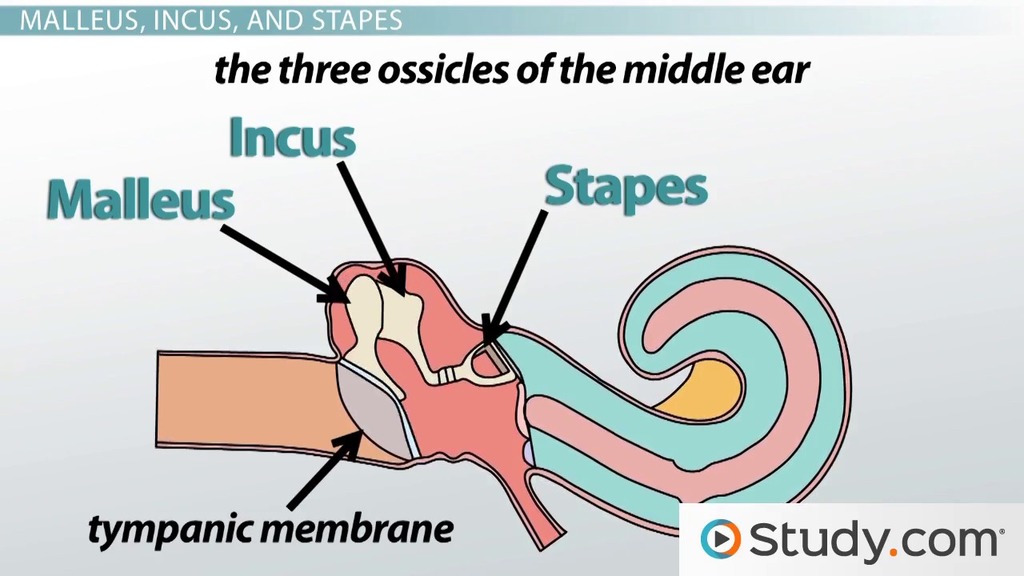
The most common types of ossicular chain disruption are:
Dislocation of the malleoincudal complex
Incudomalleolar joint separation
Incudostapedial joint separation
Dislocation of the incus
- Common causes include: Temporal bone fractures, especially longitudinal fractures, or head trauma
- The primary symptom is sudden conductive hearing loss in traumatic cases. This may be accompanied by other symptoms like hemotympanum (blood in the middle ear) or otorrhea (ear discharge). High-resolution CT scans of the temporal bone are crucial for diagnosis. The axial plane is particularly useful for assessing the continuity of the ossicular chain. There are limited treatment options but treatment might include hearing aids or surgical reconstruction. With appropriate treatment, the prognosis for hearing improvement is generally good. Surgical reconstruction has shown excellent results in many cases. Conductive hearing loss of more than 30 dB persisting for six months post-injury is typically considered an indication for surgical reconstruction of the ossicular chain
- Neurological damage:
- TBI can affect the neural pathways and brain regions responsible for auditory processing including injury to the auditory nerve, damage to the temporal or parietal lobes of the brain, which are involved in sound processing.
- Persons might experience one of three types of hearing loss conductive, sensorineural, or central. Conductive hearing loss: Results from damage to the outer or middle ear structures, impeding sound transmission. Sensorineural hearing loss: Occurs due to damage to the inner ear (usually the cochlea) or auditory nerve. Central hearing loss: Caused by damage to the brain’s auditory processing centers.
- Secondary effects:
- TBI can lead to increased intracranial pressure, which may affect the inner ear and auditory pathways
- Inflammation and swelling in the brain can compress auditory structures
- Changes in blood flow to the auditory system can cause ischemia and further damage
- Auditory processing disorders:
- Even without direct damage to the ear structures, TBI can cause difficulties in processing and interpreting auditory information due to cognitive impairments
- Tinnitus and hyperacusis:
- TBI can cause tinnitus (ringing in the ears) and hyperacusis (increased sensitivity to sounds) due to damage to the auditory system or changes in neural processing
The pathophysiology of hearing loss after TBI is complex and can involve multiple mechanisms. The specific nature and severity of hearing loss depend on the location and extent of the injury, as well as individual factors. Proper diagnosis and treatment require a comprehensive evaluation by audiologists and other specialists to determine the exact cause and appropriate interventions.
References
Clifford, R. E., & Ryan, A. F. (2022). The Interrelationship of Tinnitus and Hearing Loss Secondary to Age, Noise Exposure, and Traumatic Brain Injury. Ear & Hearing (01960202), 43(4), 1114–1124. https://doi-org.proxy.mul.missouri.edu/10.1097/AUD.0000000000001222
Donadon, C., Ferrazoli, N., Gusmão, R., Rezende, A., Skarzynski, P. H., Capra, D., & Sanfins, M. (2020). Audiological Evaluation of Traumatic Brain Injury — a Case Study. Journal of Hearing Science, 10(4), 91–97. https://doi-org.proxy.mul.missouri.edu/10.17430/JHS.2020.10.4.9
Knoll, R. M., Herman, S. D., Lubner, R. J., Babu, A. N., Wong, K., Sethi, R. K. V., Chen, J. X., Rauch, S. D., Remenschneider, A. K., Jung, D. H., & Kozin, E. D. (2020). Patient-reported auditory handicap measures following mild traumatic brain injury. Laryngoscope, 130(3), 761–767. https://doi-org.proxy.mul.missouri.edu/10.1002/lary.28034
Šarkić, B., Douglas, J., & Simpson, A. (2021). Auditory Dysfunction in Non-blast-related TBI: A Guide for Audiologists. Hearing Journal, 74(3), 30–35. https://doi-org.proxy.mul.missouri.edu/10.1097/01.HJ.0000737584.09756.f6
 Nursing Notes