
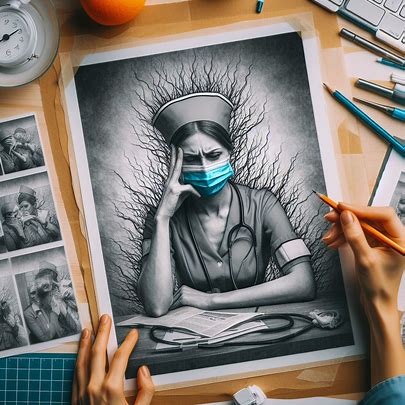


Nursing is a noble profession that demands unwavering dedication and compassion. However, the relentless demands of patient care, long hours, and emotional stress can lead to nurse burnout. In this essay, we will explore what nurse burnout is, its prevalence, contributing factors, and effective strategies for prevention.
What Is Nurse Burnout? Nurse burnout is a serious condition resulting from chronic workplace stress. It manifests in several ways:
- Mental and Physical Exhaustion: Nurses often work extended shifts, both physically and emotionally draining. The toll of caring for patients, coupled with the weight of responsibility, can leave nurses feeling utterly exhausted.
- Mental Distance from the Job: Burnout causes nurses to detach emotionally from their work. They may lose the sense of purpose and connection that initially drew them to nursing.
- Cynicism About the Job: Over time, nurses may become cynical or disillusioned, questioning the impact of their efforts.
- Reduced Efficacy: Burnout affects job performance. Nurses may struggle to maintain their usual level of effectiveness, jeopardizing patient care.
Prevalence and Causes Nurse burnout is alarmingly common. The startling facts are a result of many factors, including the dire nursing shortage occurring now with many nurses retiring and leaving the profession. These factors among others only enhance the problem. Nursing CE central has described the problem as quite large. Nearly three million nurses in the US report feeling burnt-out and burn-out is the number one reason listed for nurses leaving nursing altogether.

Contributing factors include:
- Workload: Nurses juggle multiple responsibilities, often working long hours. The physical demands, coupled with emotional strain, contribute significantly to burnout.
- Staff Shortages: The aging population and the pandemic have intensified the demand for nursing professionals. Shortages lead to longer shifts and increased individual stress.
- Emotional Burden: Witnessing patient deaths and providing emotional support without families nearby takes a toll on nurses.
- Moral Injury: Nurses may face moral dilemmas when unable to provide optimal care due to external constraints. The pandemic has exacerbated this form of injury.
Prevention and Management Preventing nurse burnout is crucial for both nurses and patients. Here are essential strategies:
- Self-Care: Prioritize your well-being. Get adequate sleep, exercise, and maintain a healthy diet. Regular breaks during shifts are essential.
- Set Boundaries: Clearly define work hours and personal time. Avoid overworking and learn to say no when necessary.
- Build Relationships: Strong connections with colleagues provide emotional support. Seek camaraderie and share experiences.
- Mindfulness: Practice mindfulness techniques to manage stress. Meditation, deep breathing, and relaxation apps can help.
- Advocate for Resources: Encourage hospitals to provide burnout prevention programs and support systems.
- Seek Guidance: Don’t hesitate to seek professional guidance or counseling if you experience burnout symptoms.
Nurse burnout is a pervasive and multifaceted phenomenon within the healthcare profession, characterized by emotional exhaustion, depersonalization, and a diminished sense of personal accomplishment. It stems from chronic stressors such as long working hours, heavy workloads, insufficient staffing, and emotional strain from dealing with patients’ suffering. Over time, these stressors can erode a nurse’s physical, emotional, and mental well-being, leading to feelings of disillusionment, cynicism, and detachment from their work. Burnout not only impacts the individual nurse’s health and job satisfaction but also jeopardizes patient care quality and safety. It’s a complex issue that requires systemic changes and support structures within healthcare organizations to address effectively.
DISCLAIMER
The Site may contain (or you may be sent through the Site) links to other websites or content belonging to or originating from third parties or links to websites and features in banners or other advertising. Such external links are not investigated, monitored, or checked for accuracy, adequacy, validity, reliability, availability, or completeness by us. WE DO NOT WARRANT, ENDORSE, GUARANTEE, OR ASSUME RESPONSIBILITY FOR THE ACCURACY OR RELIABILITY OF ANY INFORMATION OFFERED BY THIRD-PARTY WEBSITES LINKED THROUGH THE SITE OR ANY WEBSITE OR FEATURE LINKED IN ANY BANNER OR OTHER ADVERTISING. WE WILL NOT BE A PARTY TO OR IN ANY WAY BE RESPONSIBLE FOR MONITORING ANY TRANSACTION BETWEEN YOU AND THIRD-PARTY PROVIDERS OF PRODUCTS OR SERVICES.
PROFESSIONAL DISCLAIMER
The Site cannot and does not contain medical/health advice. The medical/health information is provided for general informational and educational purposes only and is not a substitute for professional advice. Accordingly, before taking any actions based upon such information, we encourage you to consult with the appropriate professionals. We do not provide any kind of medical/health advice. THE USE OR RELIANCE OF ANY INFORMATION CONTAINED ON THE SITE IS SOLELY AT YOUR OWN RISK.
AFFILIATES DISCLAIMER
The Site may contain links to affiliate websites, and we receive an affiliate commission for any purchases made by you on the affiliate website using such links.
We are a participant in the Amazon Services LLC Associates Program, an affiliate advertising program designed to provide a means for us to earn advertising fees by linking to Amazon.com and affiliated websites.
This disclaimer was created using Termly’s Disclaimer Generator.
 Nursing Notes