Cellular changes can occur due to various mechanisms, and these changes play a crucial role in normal physiological processes, as well as in response to external stimuli or pathological conditions. Here are descriptions of some common cellular changes that can occur due to different mechanisms:
- Hypertrophy:

Hypertrophy refers to an increase in the size of individual cells. This often occurs in response to increased workload or stimulation. For example, the heart muscle cells (cardiomyocytes) can undergo hypertrophy in response to increased workload caused by conditions like hypertension.
- Hyperplasia:
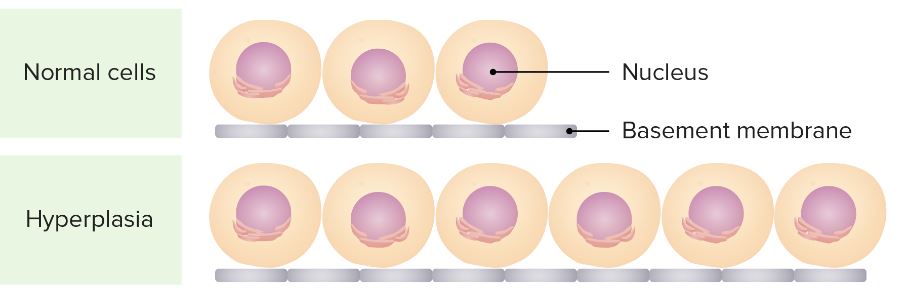
Hyperplasia involves an increase in the number of cells in a tissue or organ. It is often a response to increased demand or injury. The enlargement of the mammary glands during pregnancy and the multiplication of cells in the liver in response to injury are examples of hyperplasia.
- Atrophy:

Atrophy is the shrinking or reduction in the size of cells, leading to a decrease in the size of the affected tissue or organ. This can occur due to disuse, decreased blood supply, hormonal changes, or aging. Muscles that are not used frequently may undergo atrophy.
- Metaplasia:
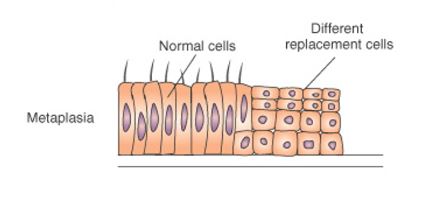
Metaplasia is a reversible change in which one mature cell type is replaced by another mature cell type. This can occur in response to chronic irritation or stress. For instance, in smokers, the normal ciliated columnar epithelium in the respiratory tract may be replaced by stratified squamous epithelium.
- Dysplasia:
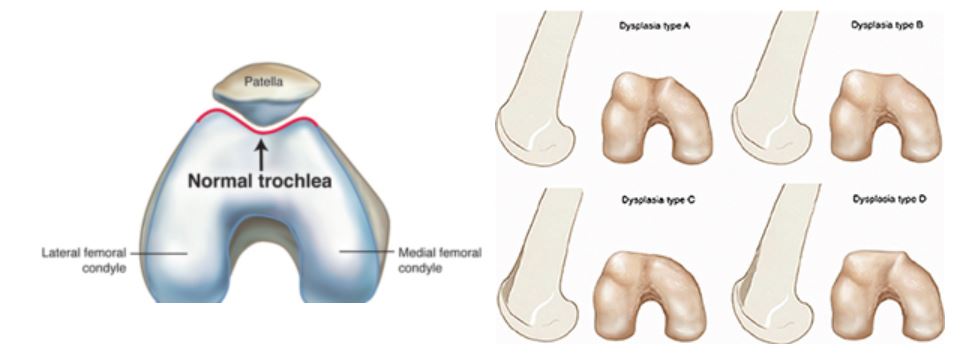
Dysplasia refers to abnormal changes in the size, shape, and organization of cells. It is often considered a precancerous condition. For example, cervical dysplasia can be a precursor to cervical cancer.
- Apoptosis:

Apoptosis, or programmed cell death, is a highly regulated process that occurs as part of normal development, tissue homeostasis, or in response to cell damage. It is a mechanism for the controlled elimination of cells without causing inflammation. Apoptosis is crucial in maintaining tissue integrity.
- Necrosis:

Necrosis is the uncontrolled cell death that occurs due to severe cellular injury. It is often associated with inflammation and can result from various factors such as toxins, infections, or lack of oxygen. Unlike apoptosis, necrosis is a pathological process that can lead to inflammation and damage surrounding tissues.
- Inflammation:

Inflammation is a complex biological response to harmful stimuli, such as pathogens, damaged cells, or irritants. It involves a series of cellular changes, including increased blood flow, immune cell recruitment, and the release of signaling molecules. Inflammation is a protective response but can become harmful if prolonged or excessive.
- Oxidative Stress:

Oxidative stress occurs when there is an imbalance between the production of reactive oxygen species (ROS) and the ability of cells to detoxify them. Excessive oxidative stress can lead to damage of cellular components, including DNA, proteins, and lipids, and is implicated in various diseases and aging.
Understanding these cellular changes is crucial for comprehending normal physiology, pathological conditions, and the effects of therapeutic interventions. Many diseases and conditions involve alterations in cellular structure and function, making the study of cellular changes essential in medical and biological sciences.
 Nursing Notes