What is analgesic nephropathy?

Analgesics are painkillers. Examples include:
- Aspirin
- Acetaminophen
- Ibuprofen
- Naproxen sodium
Image created using Bing Image Creator
- When a person takes over-the-counter medications for pain that are classified as NSAIDs or nonsteroidal anti-inflammatory drugs on a regular/daily basis, they can develop a condition known as analgesic nephropathy. Painkillers that are taken occasionally and within the recommended dosage do not cause problems for persons with normal health kidneys. Painkillers with two or more that are taken one or a mix of these over-the-counter medicines daily over a long time may cause chronic kidney problems. This is called analgesic nephropathy. Painkillers that combine 2 or more medicines (such as Excedrin or Tylenol with codeine) have a much higher risk for persons.
What causes of analgesic nephropathy?
While doctors do not know exactly what causes analgesic nephropathy. They understand that daily doses of over-the-counter pain medicine or prescribed pain medicine such as Tylenol with codeine release metabolites as they are broken down in the body. These metabolites cause scaring of the small blood vessels in the nephrons. This is called capillary sclerosis. Capillary sclerosis can also be found in the renal pelvis and the ureter. Physicians believe that capillary sclerosis leads to renal papillary necrosis (an impairment of the blood supply in the kidney) and then chronic interstitial nephritis (long-term widespread inflammation).
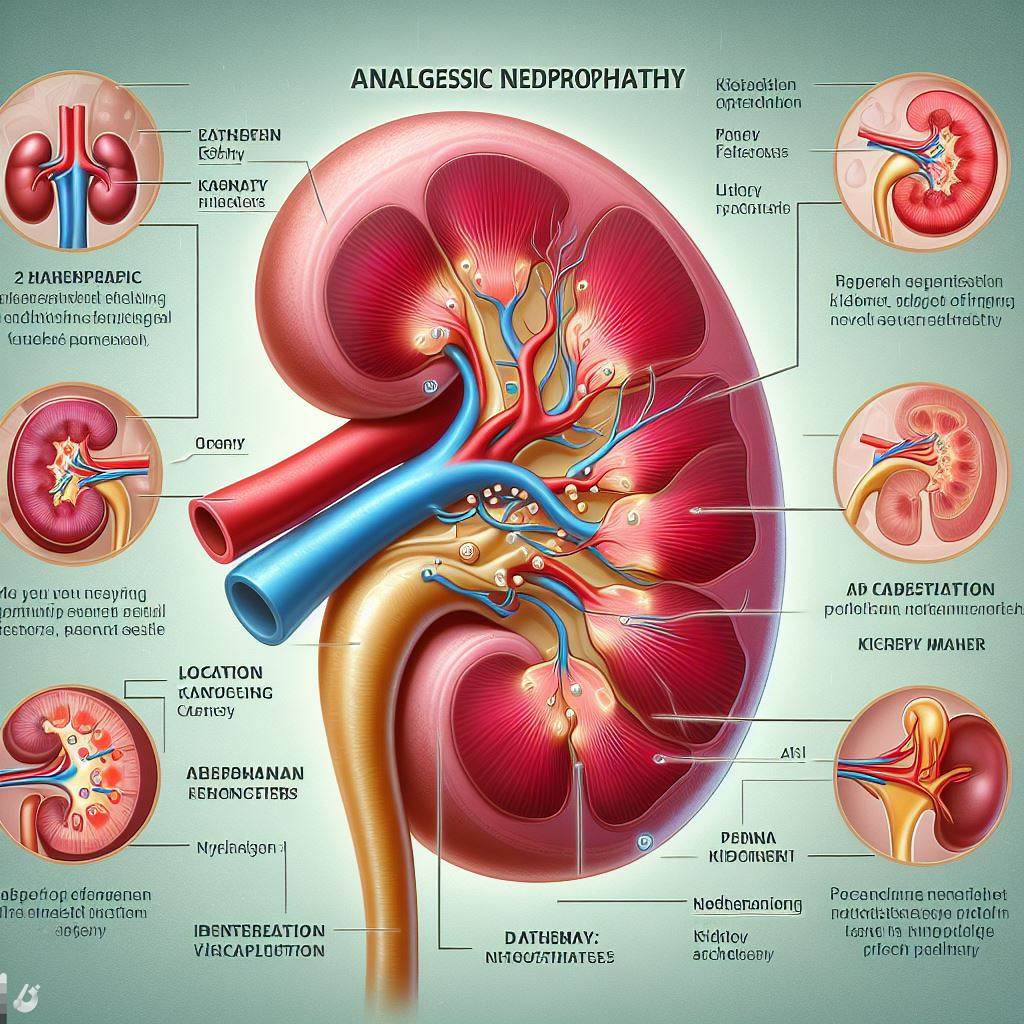
Long-term exposure to certain painkillers can damage the small filtering blood vessels in the kidney. This can cause analgesic nephropathy, a chronic kidney problem.
What are the symptoms of analgesic nephropathy?
The most common symptoms of analgesic nephropathy:
- Fatigue or weakness
- Drowsiness, confusion, or lethargy
- Blood in the urine (hematuria)
- An increase in urination frequency or urgency
- Pain in the back or flank area (where the kidneys are located)
- A decrease in urine output
- Nausea, vomiting
- Widespread swelling (edema)
- Some people have no symptoms. Kidney damage may be picked up by routine blood tests. The symptoms of analgesic nephropathy may look like other medical conditions or problems. Always talk with your healthcare provider for a diagnosis.

As cells slough off in the glomeruli sediment enters the urine.
How is analgesic nephropathy diagnosed?
Your healthcare provider will review your medical history and do a physical exam. Other tests may include:
- Blood pressure checks
- Urine toxicology screen. This test measures the amount of the painkiller in the urine.
- Urinalysis. Examine urine for certain types of cells and chemicals, such as red and white blood cells, infection, or too much protein.
- Complete blood count. This test measures the size, number, and maturity of blood cells.
- Exam of any tissue passed in the urine
- Intravenous pyelogram. A series of X-rays of the kidney, ureters, and bladder. It uses an injection of a contrast dye. This helps find tumors, abnormalities, kidney stones, or any blockages. This test also checks blood flow to the kidney.
What is the treatment for analgesic nephropathy?
Your healthcare provider will figure out the best treatment based on:
- How old you are
- Your overall health and past health
- How sick you are
- How well you can handle specific medicines, procedures, or therapies
- How long the condition is expected to last
- Your opinion or preference
Treatment may include:
- Stopping all painkillers you have been taking, especially OTC medicines
- Dietary changes
- Medicine
- Behavioral changes or counseling to help control chronic pain
Treatment aims to prevent any further kidney damage and treat any existing kidney failure.
What are the complications of analgesic nephropathy?
Some cases of acute kidney failure have been linked to the use of painkillers, including aspirin, ibuprofen, and naproxen. Many of these people had risk factors, such as:
- Lupus
- Advanced age
- Chronic kidney conditions
- Recent binge-drinking alcohol
Talk with your healthcare provider for more information about the diagnosis and treatment of analgesic nephropathy and kidney failure.
DISCLAIMER
The Site may contain (or you may be sent through the Site) links to other websites or content belonging to or originating from third parties or links to websites and features in banners or other advertising. Such external links are not investigated, monitored, or checked for accuracy, adequacy, validity, reliability, availability, or completeness by us. WE DO NOT WARRANT, ENDORSE, GUARANTEE, OR ASSUME RESPONSIBILITY FOR THE ACCURACY OR RELIABILITY OF ANY INFORMATION OFFERED BY THIRD-PARTY WEBSITES LINKED THROUGH THE SITE OR ANY WEBSITE OR FEATURE LINKED IN ANY BANNER OR OTHER ADVERTISING. WE WILL NOT BE A PARTY TO OR IN ANY WAY BE RESPONSIBLE FOR MONITORING ANY TRANSACTION BETWEEN YOU AND THIRD-PARTY PROVIDERS OF PRODUCTS OR SERVICES.
PROFESSIONAL DISCLAIMER
The Site cannot and does not contain medical/health advice. The medical/health information is provided for general informational and educational purposes only and is not a substitute for professional advice. Accordingly, before taking any actions based upon such information, we encourage you to consult with the appropriate professionals. We do not provide any kind of medical/health advice. THE USE OR RELIANCE OF ANY INFORMATION CONTAINED ON THE SITE IS SOLELY AT YOUR OWN RISK.
AFFILIATES DISCLAIMER
The Site may contain links to affiliate websites, and we receive an affiliate commission for any purchases made by you on the affiliate website using such links.
We are a participant in the Amazon Services LLC Associates Program, an affiliate advertising program designed to provide a means for us to earn advertising fees by linking to Amazon.com and affiliated websites.
This disclaimer was created using Termly’s Disclaimer Generator.
 Nursing Notes