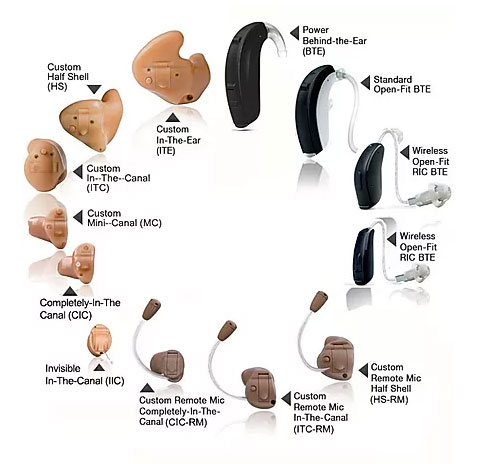
Hearing aids come in all shapes and sizes. You might want a hearing aid that is hard to see in your ear, or you may not care. These are some of the choices you can make when choosing a hearing aid. While designers keep making smaller hearing aids to meet the demand for a hearing aid that is not very noticeable, smaller aids may not have the power needed to give you the improved hearing you may expect.
It’s essential to have realistic expectations when using hearing aids to ensure a satisfying and effective experience. Here are some realistic expectations for hearing aids:
“You know it’s very difficult to be an actor, and to have people depending on you to say the right line, at the right time, and to not be able to hear your cues! I can’t tell you how many times I would’ve had to have said What? if I didn’t have my hearing aids. So my hearing aids are a life saver, and they allow me to practice my craft.” Leslie Nielsen
Improved Hearing, Not Perfect Hearing: Hearing aids can significantly improve your ability to hear and understand sounds, conversations, and other auditory cues. However, they may not completely restore your hearing to the level you had before hearing loss.
Adaptation Period: When you first start using hearing aids, there is an adjustment period during which your brain needs time to adapt to the amplified sounds. It may take a few weeks or even months to get used to the new sounds and settings.
Better Communication: Hearing aids are designed to help you hear and communicate better, especially in challenging listening environments like noisy restaurants or crowded gatherings. They may not eliminate background noise entirely, but they can help you focus on speech.
Customization is Key: Hearing aids can be adjusted and customized to your specific hearing needs. You may need multiple appointments with your audiologist to fine-tune the settings for optimal performance.
Maintenance and Care: Hearing aids require regular maintenance and care. Cleaning them daily and following your audiologist’s recommendations for maintenance is crucial for their longevity and performance.
Battery Life and Charging: If your hearing aids are not rechargeable, you’ll need to replace the batteries periodically. Battery life varies depending on the style and technology of the hearing aid, so be prepared to change batteries as needed.
Communication Improvement: Hearing aids can significantly improve your ability to understand speech, but they may not restore your ability to hear certain high-pitched or low-pitched sounds perfectly.
Situational Benefits: You’ll notice the most significant benefits of hearing aids in situations where background noise is a challenge. In quiet environments, you may not notice as much of a difference.
Regular Follow-Up Appointments: Hearing aids may require periodic adjustments, especially as your hearing changes over time. Expect to schedule follow-up appointments with your audiologist for ongoing care.
Realistic Noise Reduction: While hearing aids can have noise reduction features, they may not eliminate all background noise. You may still hear some level of background noise in noisy environments.
Improved Quality of Life: Hearing aids can have a profound impact on your overall quality of life. Expect to experience improved social interactions, better communication, and enhanced confidence in various situations.
Compatibility with Accessories: Many hearing aids can connect to accessories like remote controls, smartphone apps, and TV streamers for added convenience. However, the extent of compatibility may vary depending on the hearing aid model.
Remember that hearing aids are highly effective tools for managing hearing loss and improving your communication abilities. Setting realistic expectations and maintaining open communication with your audiologist will help you get the most out of your hearing aids and achieve the best possible outcomes.

 Nursing Notes